

Key takeaways
- Winter dry skin happens because skin loses water and oil: cold, dry air, indoor heating and long hot showers make it worse.
- Short, lukewarm showers, patting dry and applying moisturizer while skin is still damp are the changes you'll notice most.
- In winter, a richer moisturizer than in summer and fragrance-free products are worth it.
- Sunscreen is still needed on cold days, on your lips too.
- If dryness doesn't improve with this care, or it burns and cracks, see a dermatologist.
Dry skin in winter is very common: cold, dry air outside, heating indoors and long hot showers make skin lose water and oil, so it feels tight, rough or itchy. The good news is that a few changes to your shower and your routine make a big difference.
Here's why it happens, what signs to look for and a morning and night routine for your face, body, hands and lips, with care tips from dermatology sources.
Why dry skin shows up in winter
Skin gets dry when it loses a lot of water and oil. It can happen to anyone at any age, and weather is one of the most common causes: cold, dry winter air, and dry indoor air from heating or air conditioning.1
Add to that habits that feel more tempting on cold days, like showering very often or for a long time, plus some soaps and detergents. With age, skin also produces less natural oil, so dryness tends to be more noticeable.1
In many places in Mexico, the cold months are also dry ones, especially in the mornings and evenings. That's why the same routine that worked for you in summer may now fall short.
Signs your skin is dry
Dry skin can look dull, flake, itch, turn red or show fine lines that look like little cracks. It tends to show most on the legs and arms, though the face, hands and lips feel it too.1
- Tightness right after washing your face.
- Makeup that looks patchy or clings to rough spots.
- Rough hands, especially on the knuckles.
- Cracked or peeling lips.
- Itchy legs or arms when you get undressed.
Dry skin isn't the same as dehydrated skin: dry skin is low in oil and dehydrated skin is low in water. In winter it's easy to have both at once, so it's worth caring for both.
Shower changes that help the most

Your shower is where you gain or lose the most. The American Academy of Dermatology suggests these changes:2
- Showers of 5 to 10 minutes with lukewarm, not hot, water.
- Keep the bathroom door closed while you shower, so the air stays more humid.
- Use a gentle cleanser, only as much as you need and only where you need it, without chasing a thick lather.
- Pat yourself dry with a clean towel instead of rubbing.
- Apply moisturizer right away, while skin is still damp.
When choosing cleansers and moisturizers, look for fragrance-free. Products labeled unscented may contain ingredients that mask odors and can irritate dry skin.2
A winter dry skin routine, morning and night
The idea is to cleanse without stripping, add hydration and seal it in with a richer moisturizer than you use in summer. Creams and ointments add more moisture than lotions.2
In the morning
- Rinse your face with lukewarm water or use a gentle, fragrance-free cleanser.
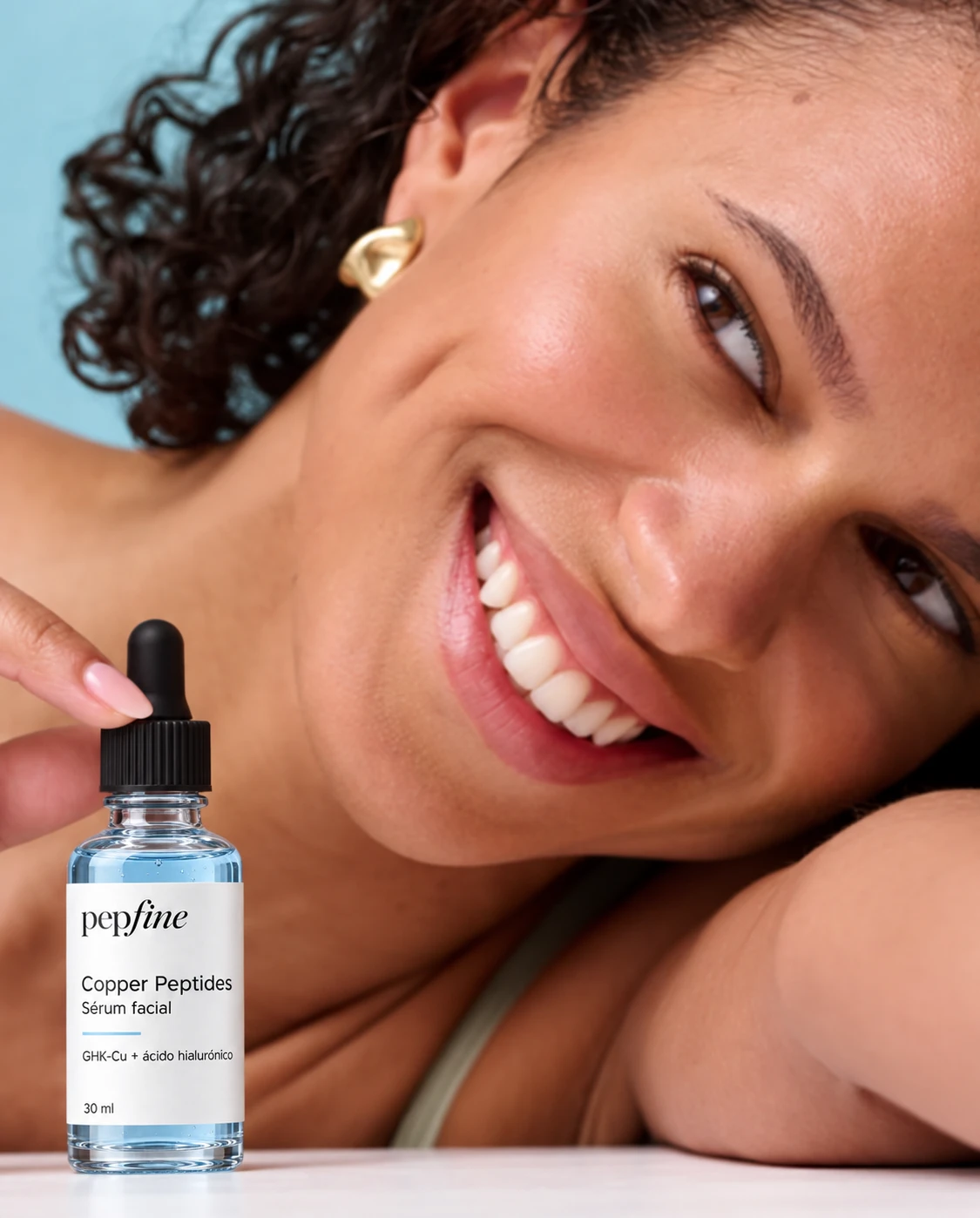
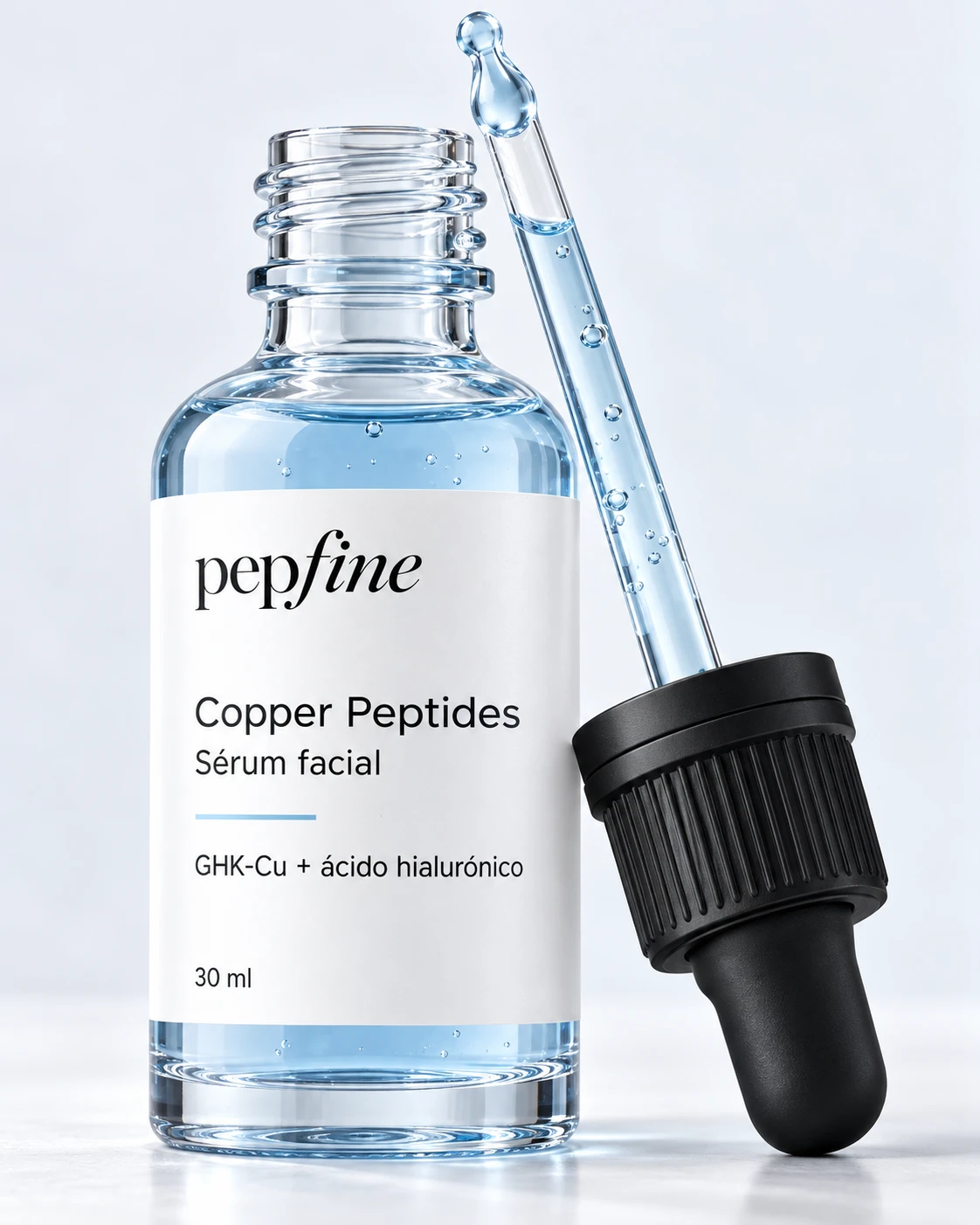
- On clean skin, apply your serum. For example, 3 or 4 drops of the Pepfine Serum on face and neck, avoiding the eye area.
- Follow with a cream moisturizer, not a lotion.
- Finish with broad-spectrum sunscreen, SPF 30 or higher, even if it's cloudy.
At night
- Remove sunscreen and makeup with a gentle cleanser.
- Apply your serum to clean skin.
- Use a richer cream than in the morning. On very dry spots, like the cheeks, you can add a second thin layer.
- If you have a humidifier, run it in your bedroom while you sleep and clean it often so mold doesn't grow.
Among the ingredients the American Academy of Dermatology suggests looking for in a moisturizer for dry skin are glycerin, hyaluronic acid, shea butter, dimethicone, jojoba oil and petrolatum.2
The Pepfine Serum has copper peptide (GHK-Cu) and hyaluronic acid, which helps skin hold on to moisture and feel hydrated, and it has no exfoliating acids. It goes under your moisturizer, not instead of it: in winter, the cream on top is what seals everything in.
Hands and body: what dries out the most

Hands are often the first place dry skin shows up. Washing dishes, putting your hands in water several times a day and going out in cold air dry them out even more.2
- Carry a non-greasy hand cream and apply it after every hand wash.
- Wear gloves to wash dishes and to go out when it's cold.
- Choose loose cotton clothing: very tight clothes rub against the skin, and wool or polyester directly on the skin can irritate it.
- If you wear a wool sweater, put a cotton or silk layer underneath.
These tips come from the American Academy of Dermatology's recommendations for dry skin.2
Chapped lips in winter
Cold, dry weather, sun and the habit of licking your lips are among the most common reasons for chapped lips. As saliva evaporates, lips end up drier than before.3
- Apply a non-irritating lip balm several times a day and before bed.
- If they're very chapped, use a thick layer of white petroleum jelly: it seals in moisture longer than waxes or oils.
- While they're chapped, avoid balms with camphor, eucalyptus, menthol, fragrance or flavors like cinnamon, citrus or mint.
- To go out, use a lip balm with SPF 30 or higher, in winter too, and reapply every 2 hours if you're outdoors.
- Drink enough water and try not to bite or pick at the flakes.
If you catch yourself licking your lips, apply your balm right then: it helps break the habit.3
Common mistakes with winter dry skin
- Taking very hot, long showers, even if it feels great.
- Rubbing with the towel instead of patting dry.
- Waiting until you're completely dry to put on moisturizer.
- Sticking with your light summer moisturizer.
- Exfoliating more to get rid of flakes: dry skin gets irritated easily.
- Skipping sunscreen because it's cold or cloudy.
When skin is very dry, the American Academy of Dermatology suggests stopping products with alcohol (except hand sanitizer), fragrance and retinoids. If you use retinol, ask your dermatologist whether to pause it or use it less often while your skin recovers.2
When to see a dermatologist
If your skin is still very dry after making these changes, it's time to see a board-certified dermatologist. Dryness that doesn't improve may have another cause worth checking.2
It's also worth seeing someone if any product, even your moisturizer, burns or stings when you apply it, if your skin cracks or bleeds, or if chapped lips don't improve with home care. Before buying anti-itch creams, ask first: some contain ingredients that can irritate dry skin even more.23
Frequently asked questions
Why does my skin get drier in winter?
Because cold, dry air outside and heating indoors make skin lose water more easily. If you also take longer, hotter showers, the dryness shows more.1
What moisturizer should I use for dry skin in winter?
A fragrance-free cream or ointment rather than a lotion. Look for ingredients like glycerin, hyaluronic acid, shea butter, dimethicone or petrolatum, and apply it while skin is still damp.2
Do I need sunscreen in winter?
Can I use the Pepfine Serum if I have dry skin?
Yes. It has copper peptide (GHK-Cu) and hyaluronic acid, with no exfoliating acids. Apply 3 or 4 drops to clean skin, morning and night, then your moisturizer; if it's your first time, try it on a small area first.
Does a humidifier help dry skin?
It can help, because dry skin needs moisture and a humidifier raises it at home. It's most useful in your bedroom while you sleep, and clean it often so mold doesn't grow.2




 ✦✦✧✦