

Key takeaways
- Yes: in skincare language, copper peptide counts as an active, because it's in the formula to do a job.
- "Active" isn't a legal term for cosmetics: in the U.S., "active ingredient" on a label belongs to over-the-counter drugs.
- Unlike acids or retinol, copper peptide doesn't exfoliate, so it's usually a gentle active.
- Treat it like any new active: start slowly, patch test and don't layer it with strong acids at the same time.
Is copper peptide an active? Yes. In skincare language, an active is an ingredient that's in the formula to do a specific job, and copper peptide (GHK-Cu) fits that idea. The difference is that it doesn't exfoliate, so it's usually a gentle active.
That changes how it's best placed in your routine. In this guide we explain what "active" means, what kind of ingredient copper peptide is, how it's similar to and different from acids and retinol, and how to use it without overloading your skin.
What "active" means in skincare
On social media and in stores, "active" is used for ingredients with a task: retinol, exfoliating acids, vitamin C, niacinamide or peptides. The opposite would be the ingredients that give texture, preserve the formula or add scent.
But note: it isn't a legal term for cosmetics. In the U.S., the FDA explains that a product is a cosmetic or a drug depending on its intended use. Over-the-counter drugs list "Active Ingredients" on their label; a cosmetic, like a serum, lists its ingredients from most to least.1
The FDA also notes that the word "cosmeceutical" has no legal meaning: a product is a cosmetic, a drug or both. So when a serum talks about its "active," it means the star of the formula, not an official category.1
Active doesn't mean strong
Many people link "active" with something that stings, peels or that you can feel. That isn't always the case. Some actives work without you noticing anything on your skin, and that doesn't mean they aren't doing their part. Quite the opposite: a product that burns isn't a sign it works better, but a sign your skin is getting irritated. That's why it's worth paying attention to how your skin feels in the following days, not to the sensation in the moment.
What kind of ingredient copper peptide is
Peptides are protein fragments. A 2024 review of popular cosmetic ingredients sorts them into three groups by how they work: carrier, signal and neurotransmitter-inhibitor peptides. Copper peptide is a carrier peptide, because it carries copper to the skin.2
The same review notes it has been used in skincare to improve the look of fine lines, wrinkles and uneven tone linked to sun exposure. In the ingredient list it usually appears as "copper tripeptide-1."2
How to find it on the label
Look for "copper tripeptide-1" in the ingredient list. Since cosmetic ingredients go from most to least, its position gives you a general idea of how much there is, although actives are often used in small amounts and don't always appear near the top. What helps most is seeing which other actives come with it: if the formula also has acids or retinol, treat it as a stronger product.1
How it's similar to and different from acids and retinol
It's similar in that it's an ingredient with a job, so it's worth introducing calmly and not adding it to everything at once. But it differs in something important: it doesn't exfoliate or make skin peel.
Exfoliating acids can irritate. The FDA explains that products with alpha hydroxy acids, such as glycolic acid, can increase skin's sensitivity to the sun, and recommends sunscreen, protective clothing and limiting sun while using them and for a week afterward.3
- Exfoliating acids: renew the surface; can sting or dry.
- Retinol: usually needs an adjustment period.
- Copper peptide: doesn't exfoliate; usually feels light and comfortable.
How to treat it in your routine
Think of copper peptide as your serum step. It goes after cleansing and before moisturizer, morning and night if your product says so. 3 or 4 drops are enough for your face.
- Cleanse with a gentle cleanser and pat dry.
- Apply the copper peptide serum.
- If you use niacinamide, it can go after.
- Finish with moisturizer and, during the day, sunscreen.
If it's your first active
Use it on its own for a few days before adding anything else, so you know how your skin responds. If it reacts easily, patch test first: a few drops behind the ear or along the jawline and wait 24 hours.
If your skin is dry or sensitive
Apply the serum to clean, slightly damp skin and seal it with a moisturizer that feels comfortable. Avoid cleansers that leave your face tight and very hot water. If your skin feels sensitive on a given day, skip strong actives that day and keep only the basic steps.
Which actives to keep it apart from
Even though it's gentle, it's best not to layer it at the same time with strong exfoliating acids, retinol or pure vitamin C. It isn't dangerous, but skin can get irritated and it's hard to tell which product doesn't suit you. The simple fix is to spread them out.
- Vitamin C in the morning and copper peptide at night.
- Acid or retinol nights without copper peptide; the other nights, with it.
- Niacinamide and simple moisturizers: can be used alongside it.
A useful rule: count how many strong actives you use a week. If your skin feels tight, red or stings, remove one before adding another, and wait until it feels comfortable again.
A sample week
- Mornings: cleanser, vitamin C or copper peptide, moisturizer and sunscreen.
- Two or three nights: cleanser, your acid or retinol and moisturizer.
- The other nights: cleanser, copper peptide and moisturizer.
It's just a guide. If your skin feels comfortable, keep it; if it gets irritated, leave more nights with just copper peptide and moisturizer.
Common mistakes
- Thinking that, because it's gentle, it can go with everything at once.
- Using more drops than needed.
- Starting several new products on the same day.
- Forgetting sunscreen, especially if you also use acids.
If you notice burning that doesn't go away, tightness, flaking or new redness, go back to basics for a few days: gentle cleanser, moisturizer and sunscreen. If the discomfort is strong or doesn't go away, stop and see a dermatologist.
Frequently asked questions
Does copper peptide count as an active?
Yes, in the sense that it's an ingredient with a job in the formula. It isn't an exfoliating active, so it's usually better tolerated than acids or retinol.
Can I use copper peptide every day?
Many copper peptide serums are used morning and night. Follow what your product says and, if your skin is sensitive, start with once a day.
Why doesn't my serum say "active ingredient"?
Because it's a cosmetic. In the U.S., the "Active Ingredients" list is for over-the-counter drugs. A cosmetic lists all its ingredients from most to least.1
Does the Pepfine Serum contain acids?
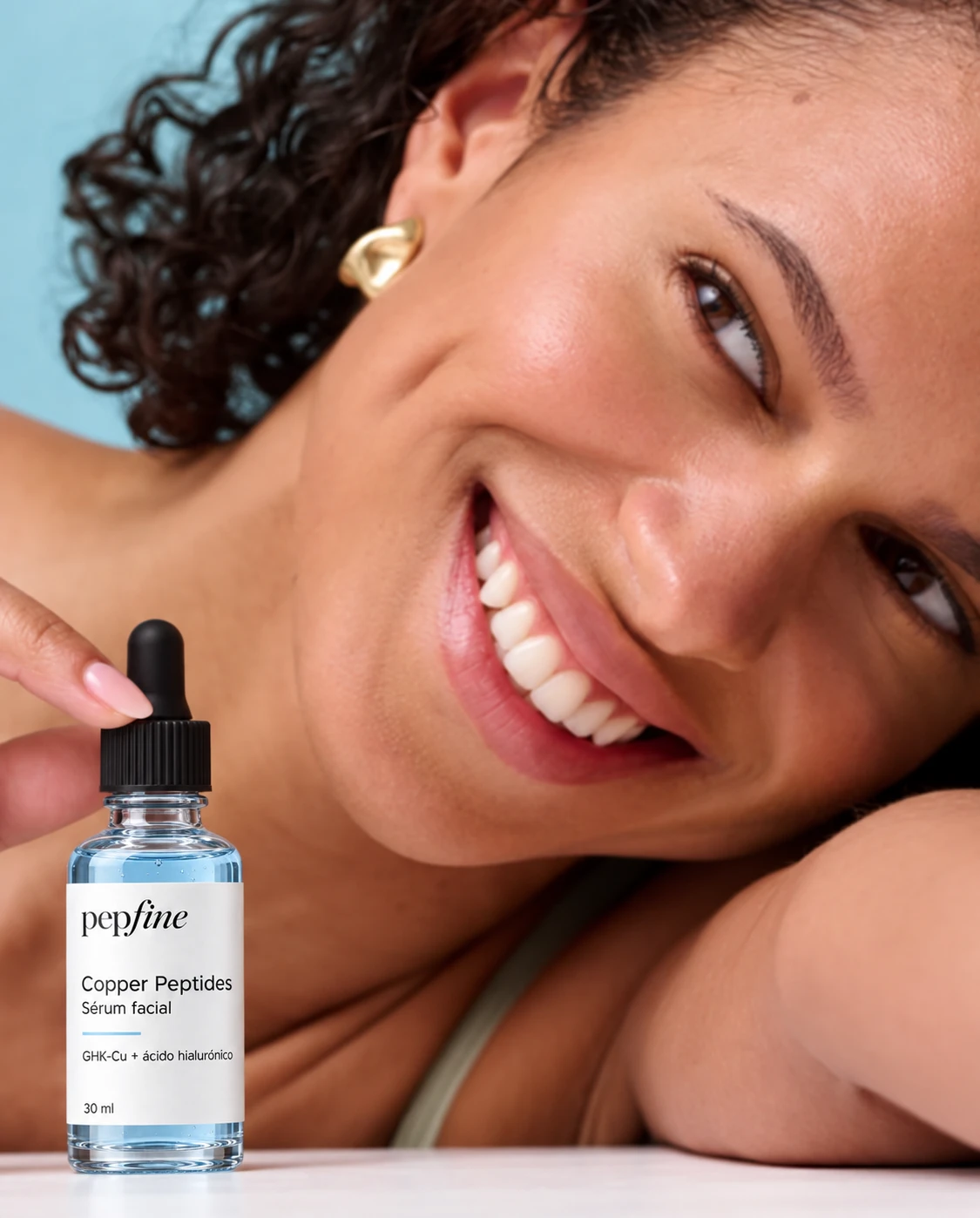
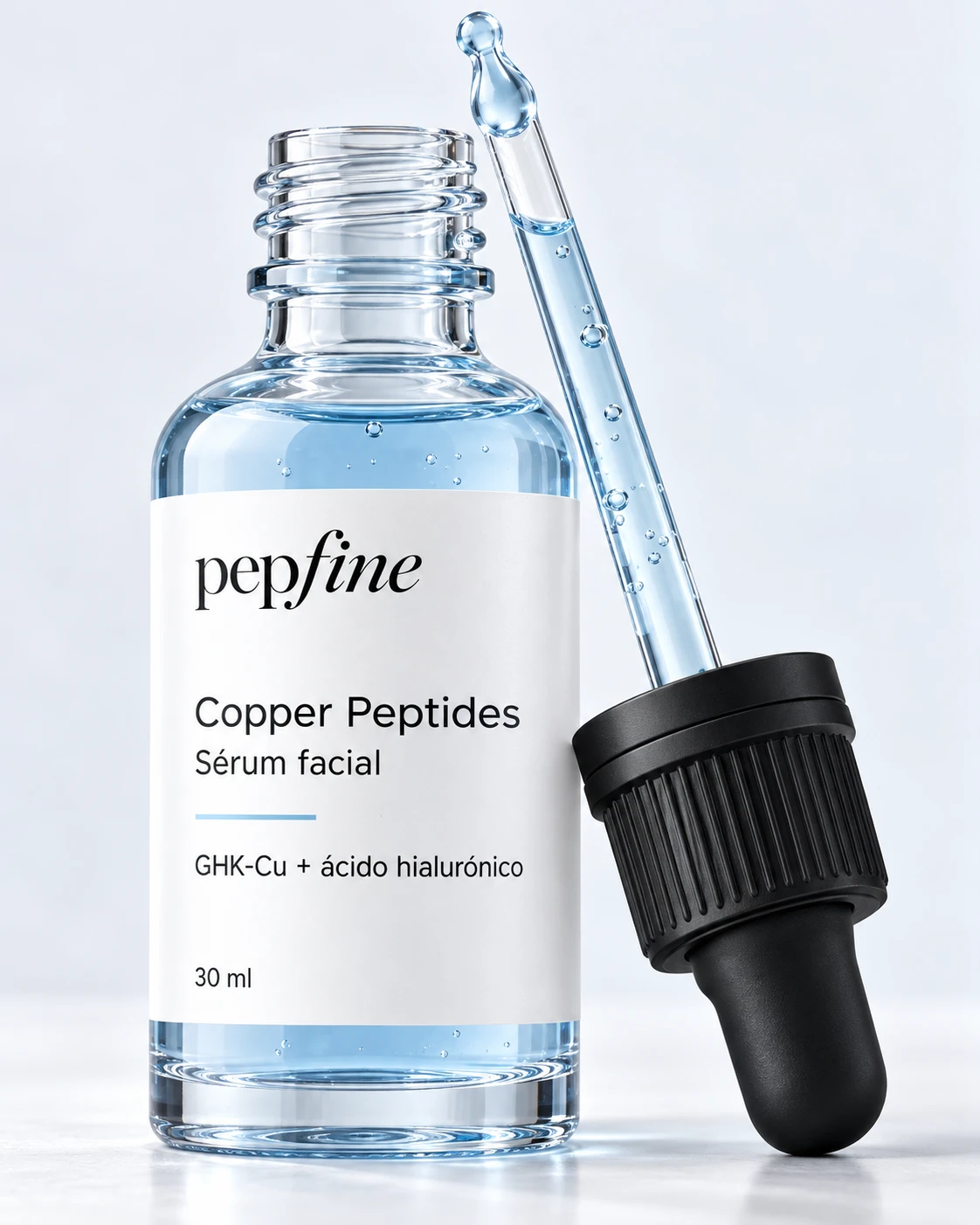
No. It contains copper peptide (GHK-Cu) and hyaluronic acid, with no exfoliating acids. Apply 3 or 4 drops morning and night to clean skin, before moisturizer.

 ✦✦✧✦