

Key takeaways
- Like any cosmetic, a copper peptide serum can cause irritation (stinging, redness, dryness) or, in some people, an allergic reaction.
- Irritation usually shows up where you apply the product; an allergy causes itching and can take 24 to 48 hours to show.
- The best ways to avoid them: read the ingredients, patch test, add one product at a time and don't layer it with strong actives in the same step.
- If you notice stinging, itching, hives or swelling, stop using it. If you have trouble breathing or facial swelling, get medical help right away.
What are copper peptide side effects? In a cosmetic serum, the most common ones are the same as with any skin product: stinging, redness, dryness or itching where you apply it, and in some people an allergic reaction. Most can be avoided with a patch test, by reading the ingredients and by not layering it with strong actives in the same step.
Here's how to tell irritation from an allergy, what to do if your skin reacts and when to get help.
What copper peptide is and why it can cause a reaction
Copper peptide (GHK-Cu) is a small molecule, made of three amino acids bound to copper, used in serums for the look of skin texture and firmness. It isn't an exfoliant or an acid.
When a copper peptide serum causes a reaction, it isn't always the peptide. A serum has other ingredients, like preservatives, fragrances or extracts, and any of them can be the cause. That's why it's worth reading the full ingredient list of each product.
The FDA explains that cosmetics can trigger allergic reactions in some people and that the most common allergens in these products are fragrances, preservatives, dyes, metals and latex.1
Irritation or allergy: how to tell them apart
They look alike, but they aren't the same, and knowing which one you have helps you decide what to do.
Irritation
It's the most common reaction. It isn't an allergy: it's skin responding to something too strong for it or to using too much. It usually feels like burning or stinging, and skin looks red, dry or rough right where you put the product.2
Allergic reaction
Here your body reacts to a specific ingredient. The most typical symptom is itching, sometimes intense, with a red rash, bumps or hives. It may not show up the first time you use something, and it often takes 24 to 48 hours to appear.2
Allergic reactions to cosmetics range from mild to severe: hives, itching, rash, flaking, facial swelling or irritation of the eyes, nose and mouth. Very severe reactions are rare with cosmetics, but they do happen.1
Something that surprises many people: an allergy can show up with a product you already used without trouble, even after months or years. So if something that always agreed with you suddenly starts making you itch, don't rule it out as the cause. And once you're allergic to an ingredient, it's best to avoid it from then on, in any product that contains it.2
How to avoid side effects
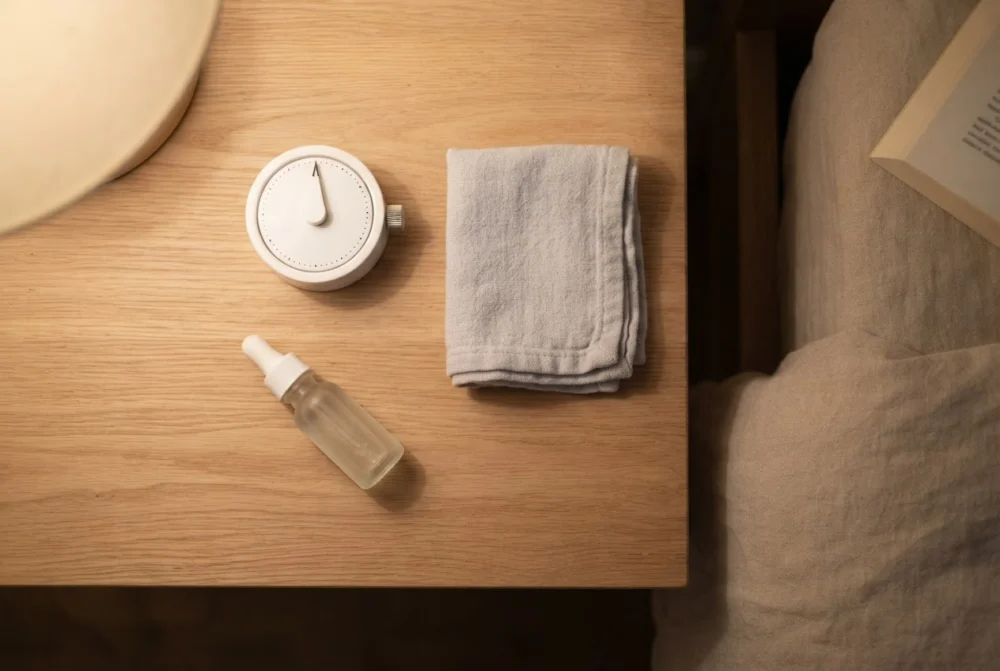
- Read the ingredient list and avoid the ones you already know don't agree with you. Words like hypoallergenic or for sensitive skin have no official definition, so they aren't enough.
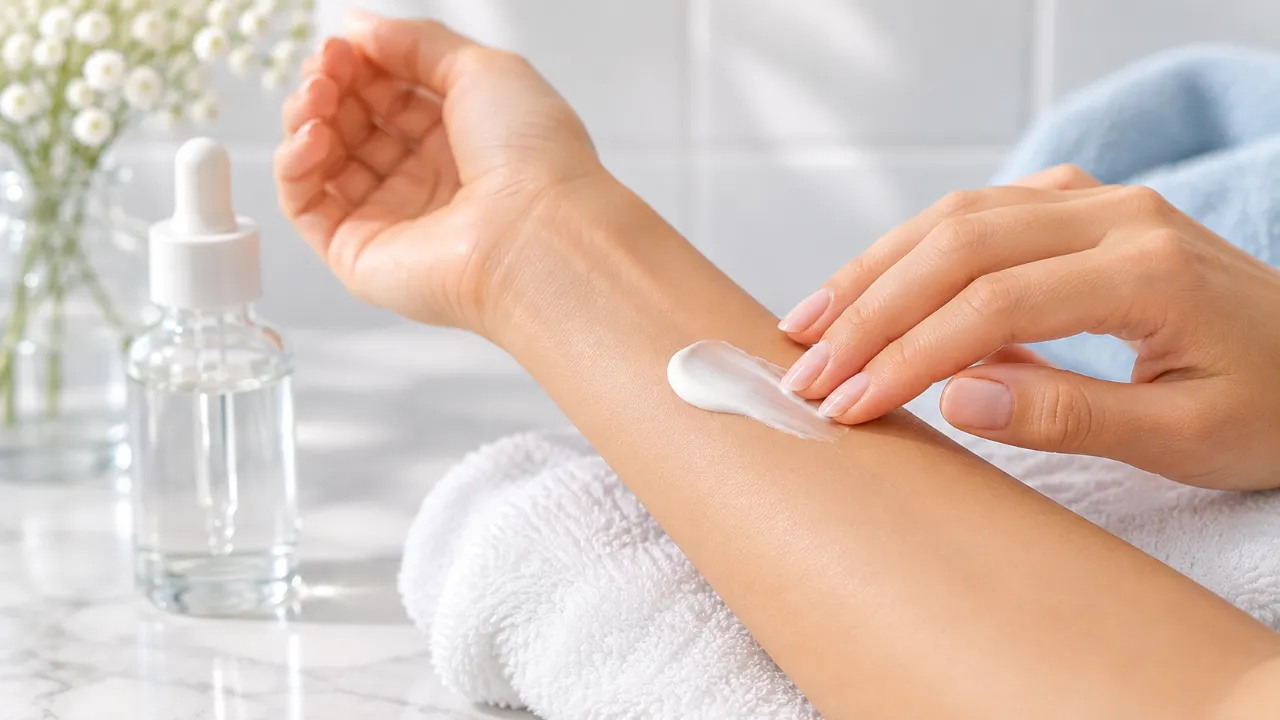
- Patch test: a few drops on a small area, then wait 24 hours. Check again the next day too.
- Add only one new product at a time, so you know which one it was if something happens.
- If you use retinol, acids or pure vitamin C, keep them for another time of day.
- Use the amount indicated: 3 or 4 drops are enough for face and neck.
- Avoid the eye area.
- Keep the bottle tightly closed, in a cool, dry place, away from sun and heat.
The FDA recommends always reading the label and following the manufacturer's instructions. If you have questions about an ingredient, you can contact the company listed on the package.1
Situations that call for extra care
Many reactions don't come from the serum itself, but from how and when it's used. These are the situations where it pays to go slower:
- If your skin is already irritated, tight or peeling: wait until it settles before adding any new product.
- After a procedure, like a peel, laser or microneedling: follow the instructions of whoever did it about when to go back to serums.
- If you use retinoids or acids: your skin may be more sensitive, so separate products by time of day and don't layer them on top of each other.
- If you've reacted to several cosmetics before: read labels carefully and consider checking with a dermatologist before trying something new.
If your skin is sensitive, you can start using the serum only at night for a few days, on clean, dry skin, and add it in the morning once you see it agrees with you. That makes it easier to notice any change early.
What to do if your skin reacts

- Stop the product as soon as you notice burning, itching, hives or swelling.
- Rinse the area with plenty of water to remove what's left of the product.
- Go back to basics for a few days: gentle cleanser, moisturizer and sunscreen.
- Don't try other new products while your skin settles.
- Keep the product or a photo of its label in case you need to see someone.
Moisturizer helps keep skin hydrated and helps it recover, which is why it's an important part of care when skin is irritated.2
Common mistakes
- Thinking stinging means it's working. A copper peptide serum shouldn't sting.
- Starting several products at once and not knowing which one caused the reaction.
- Applying it in the same step as an exfoliant or a retinoid.
- Using more drops than indicated, thinking it will work better.
- Keeping on with it even though it itches, hoping your skin will get used to it.
When to get help
See a dermatologist if the reaction doesn't improve a few days after stopping the product, if it spreads beyond where you applied it, if blisters form or if it keeps happening with different products. They can test you to find out what you're reacting to.2
Get medical help right away (call 911 in the U.S. and Mexico) if you have trouble breathing, swelling of the face, lips or throat, trouble swallowing, dizziness or chest pain.1
If you're pregnant or breastfeeding, or have a skin condition, check with your doctor before starting any new serum.
Frequently asked questions
Does copper peptide have side effects?
It can, like any cosmetic: the most common is mild irritation, and some people may be allergic to one of the product's ingredients. A patch test helps you find out before using it on your whole face.
Is it normal for it to sting a little?
No. A copper peptide serum has no exfoliating acids and shouldn't sting. If it stings, rinse it off and stop using it.
Does copper peptide cause purging?
It isn't associated with purging, because it doesn't exfoliate or speed up skin turnover. If you break out when starting it, check what else changed in your routine and, if it continues, stop.
Can I use it if I'm allergic to a metal?
Metals are among the common allergens in cosmetics, so if you know you're allergic to one, ask your dermatologist before trying it.1
What's in the Pepfine Serum?
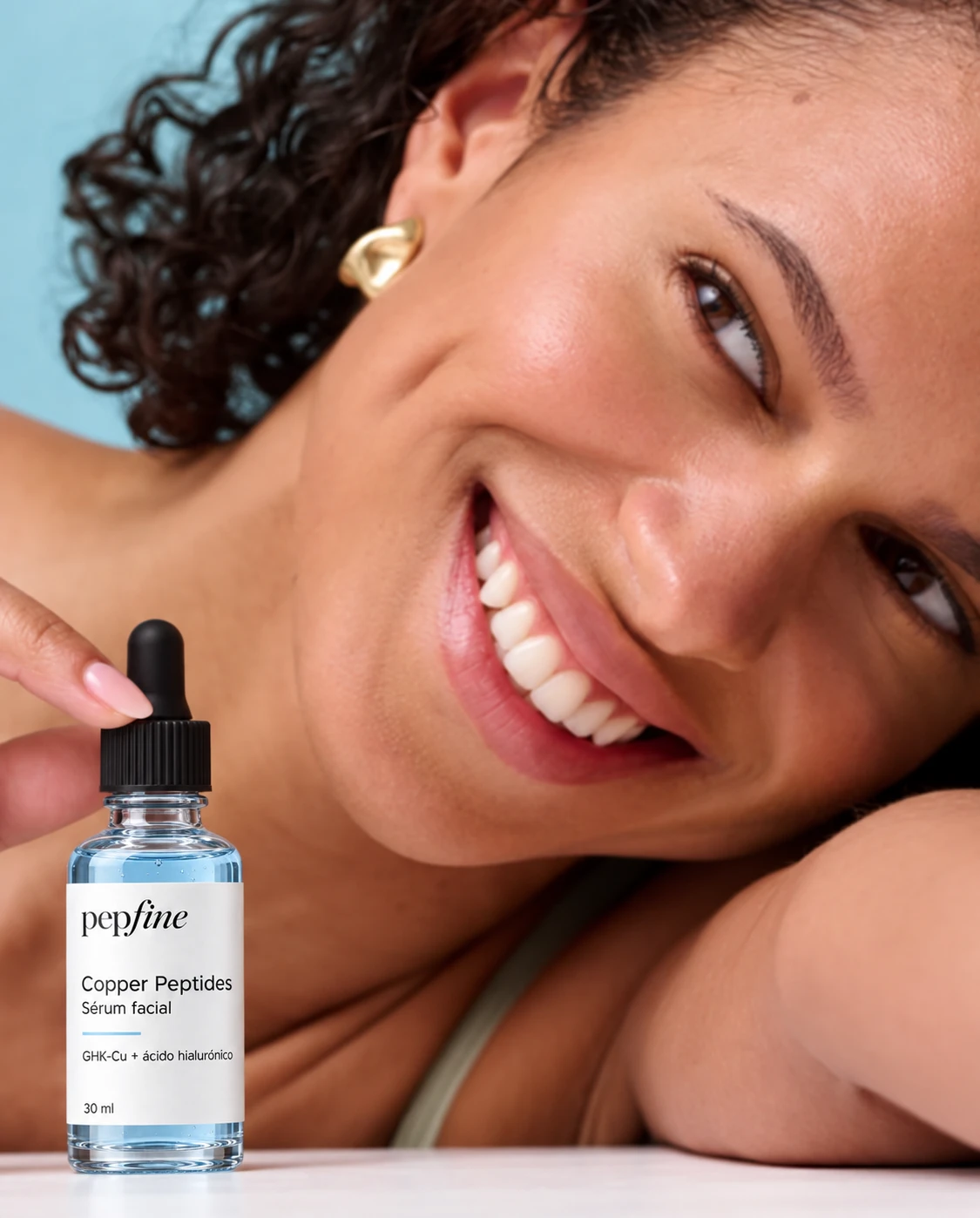
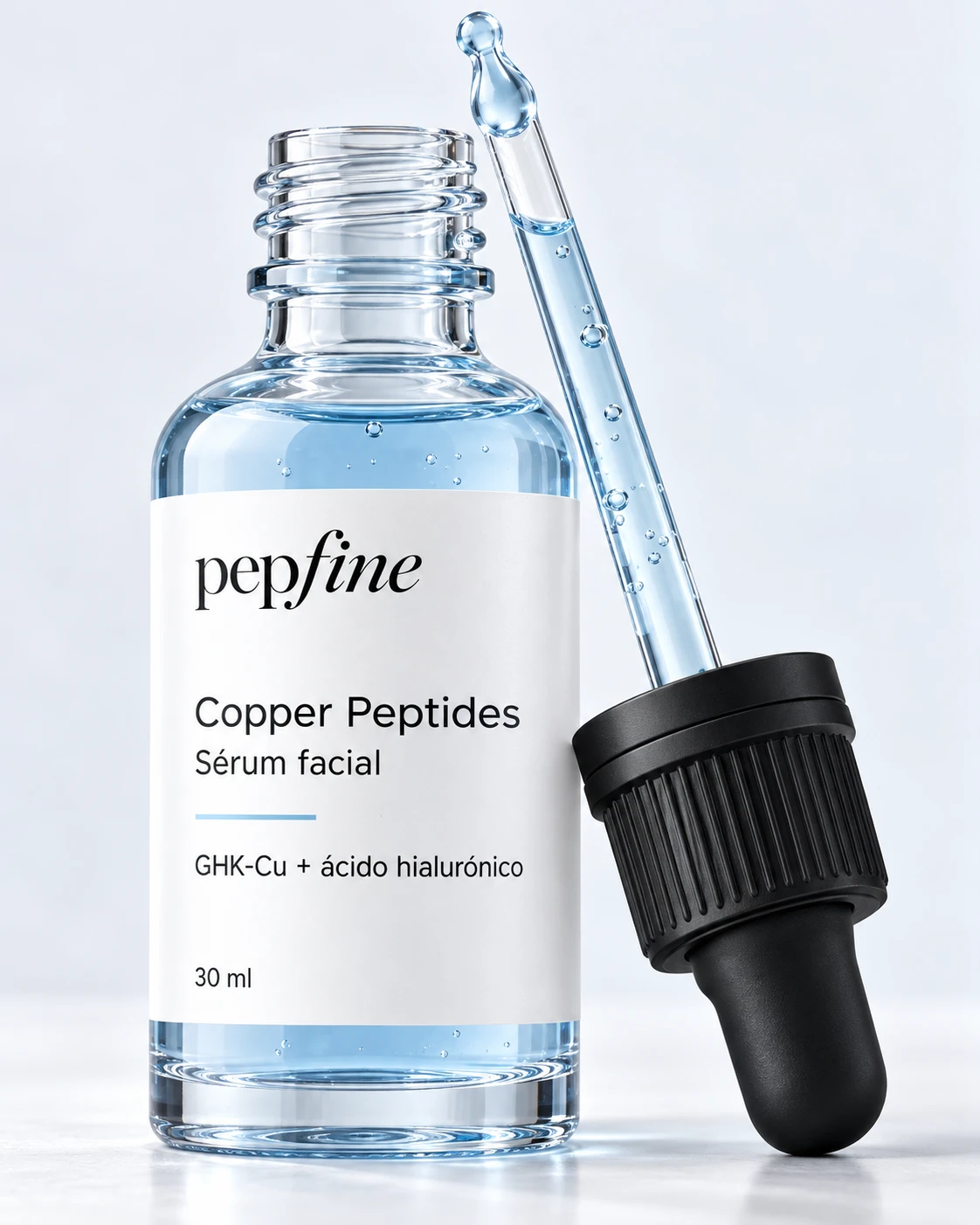
It has copper peptide (GHK-Cu) and hyaluronic acid, with no exfoliating acids. Use 3 or 4 drops morning and night on clean skin, before moisturizer, avoiding the eye area.



 ✦✦✧✦