

Key takeaways
- Copper peptide can help calm the look of cosmetic redness, the kind you see after washing, sun or a strong product, as part of a gentle routine.
- In lab studies GHK-Cu showed antioxidant and anti-inflammatory actions, but that isn't the same as proving a serum clears redness.
- Redness depends a lot on what sets it off: sun, heat, hot water, wind, cold and some products are common triggers.
- If redness won't go away or comes with bumps, burning or visible little veins, see a dermatologist: it may be a condition a serum won't resolve.
Do copper peptides reduce redness? Copper peptide can help calm the look of cosmetic redness, the kind that shows up after washing with hot water, a day in the sun or a product that was too strong for you. It isn't a fix for a medical condition: if redness is constant or comes with other symptoms, it's time to see a dermatologist.
Here's what's known about copper peptide, what usually sets off redness and how to build a calm routine for skin that turns red easily.
What copper peptide is and what's known about redness
Copper peptide (GHK-Cu) is a small molecule made of three amino acids bound to copper. It has been used in cosmetics for decades, mostly in serums for the look of texture and firmness.
In lab and animal studies, GHK-Cu showed antioxidant and anti-inflammatory actions. That's an interesting lead, but those studies weren't done with a serum on people's faces, so they don't show that it clears redness.1
What you can expect from a good copper peptide serum is that it feels gentle, doesn't sting and helps skin look calmer as part of a simple routine.
Cosmetic redness or something more: how to tell
Not all redness is the same. Knowing which kind you have helps you decide whether adjusting your routine is enough or whether you should get it checked.
Temporary redness
It comes and goes: after a hot shower, exercise, time in the sun or cold, or using an exfoliant. It usually settles within a while once you remove what caused it.
Redness from irritation
It comes with tightness, burning or flaking, often after starting a strong product or using too many actives at once. The first step here is to simplify your routine and let your skin recover.
Redness that won't go away
If your face looks red most of the time, you flush very easily, or you notice fine visible veins, bumps or burning, it may be rosacea. It's a condition diagnosed by a health professional, and it doesn't improve with over-the-counter breakout products.2
What usually sets off redness

Every skin has its own triggers, and learning yours helps more than any product. These are some of the most common:2
- Sun and heat.
- Very hot water on your face or long, hot baths.
- Wind and cold.
- Spicy foods, alcohol and hot drinks.
- Stress and intense exercise, especially in the heat.
- Some skin products, like those with alcohol, strong fragrance or exfoliants.
A useful idea: for a couple of weeks, jot down when your face turns red and what you were doing. Often the pattern shows up on its own.
The season matters too. In winter, cold air outside and indoor heating can leave skin tight and redder; in summer, heat and sun do their part. Adjusting your routine to the season, with a slightly richer moisturizer in the cold and more shade in the heat, usually helps more than adding products.
How to use copper peptide if your skin turns red
Before using it on your whole face, do a patch test: a few drops on a small area, then wait 24 hours. If you notice no burning or new redness, you can start.
In the morning
- Wash your face with lukewarm water and a gentle cleanser, using your fingertips and without scrubbing.
- Apply 3 or 4 drops of copper peptide serum to clean skin, on face and neck.
- Follow with a simple moisturizer.
- Finish with broad-spectrum sunscreen every day.
At night
- Clean your face with the same gentle cleanser and pat it dry.
- Apply 3 or 4 drops of the serum.
- Seal with your moisturizer.
If you use retinol, acids or pure vitamin C, keep them for another time of day and, if your skin turns red easily, think about whether you really need them right now. The fewer strong actives, the easier it is to know what agrees with your skin.
For the rest of your routine, choose simple products: a gentle cleanser that doesn't leave skin tight, a moisturizer without strong fragrance and a sunscreen you find comfortable, since the best one is the one you actually use every day. If a product stings when you put it on, even a little, set it aside. And apply everything with clean hands, patting rather than rubbing.
Common mistakes with red skin
- Scrubbing your face with sponges, brushes or exfoliants to get rid of redness.
- Using astringent or alcohol-based toners, which can dry and irritate skin.
- Trying many new products at once: if something irritates you, you won't know which one.
- Skipping sunscreen on cloudy days or at home by the window.
- Keeping on with a product that stings, thinking your skin will get used to it.
The American Academy of Dermatology recommends washing your face gently with your fingertips, choosing alcohol-free products and avoiding astringents, toners and exfoliants that irritate. These tips are meant for breakout-prone skin, but they also work for skin that turns red.3
When to see a dermatologist
Book an appointment if redness lasts most of the day, if it comes with bumps, burning or visible little veins, if your eyes bother you, or if it doesn't improve even after simplifying your routine and watching your triggers. A professional can tell you what it is and what your options are.2
If you already have a diagnosis, ask your dermatologist before adding a new serum. A cosmetic can go alongside their advice, not replace it. Bring the product or a photo of its label to your appointment: that makes it easier for them to tell you whether it fits with what you already use.
Frequently asked questions
Do copper peptides get rid of redness?
It can help calm the look of cosmetic redness within a gentle routine, but it doesn't make it go away or replace watching your triggers. If redness is constant, see a dermatologist.
Can I use copper peptides if I have rosacea?
Ask your dermatologist first, since rosacea is a medical condition and every skin reacts differently. If they give you the go-ahead, start with a patch test.
What if the serum makes my skin redder?
Stop using it. A serum that stings or leaves new redness isn't agreeing with you, and it's not something to push through. Go back to basics for a few days and, if it doesn't improve, get it checked.
Can I combine it with niacinamide?
Yes, they can go in the same routine, applying the lighter one first. If your skin is very reactive, add them one at a time to see how it responds to each.
Does the Pepfine serum contain acids?
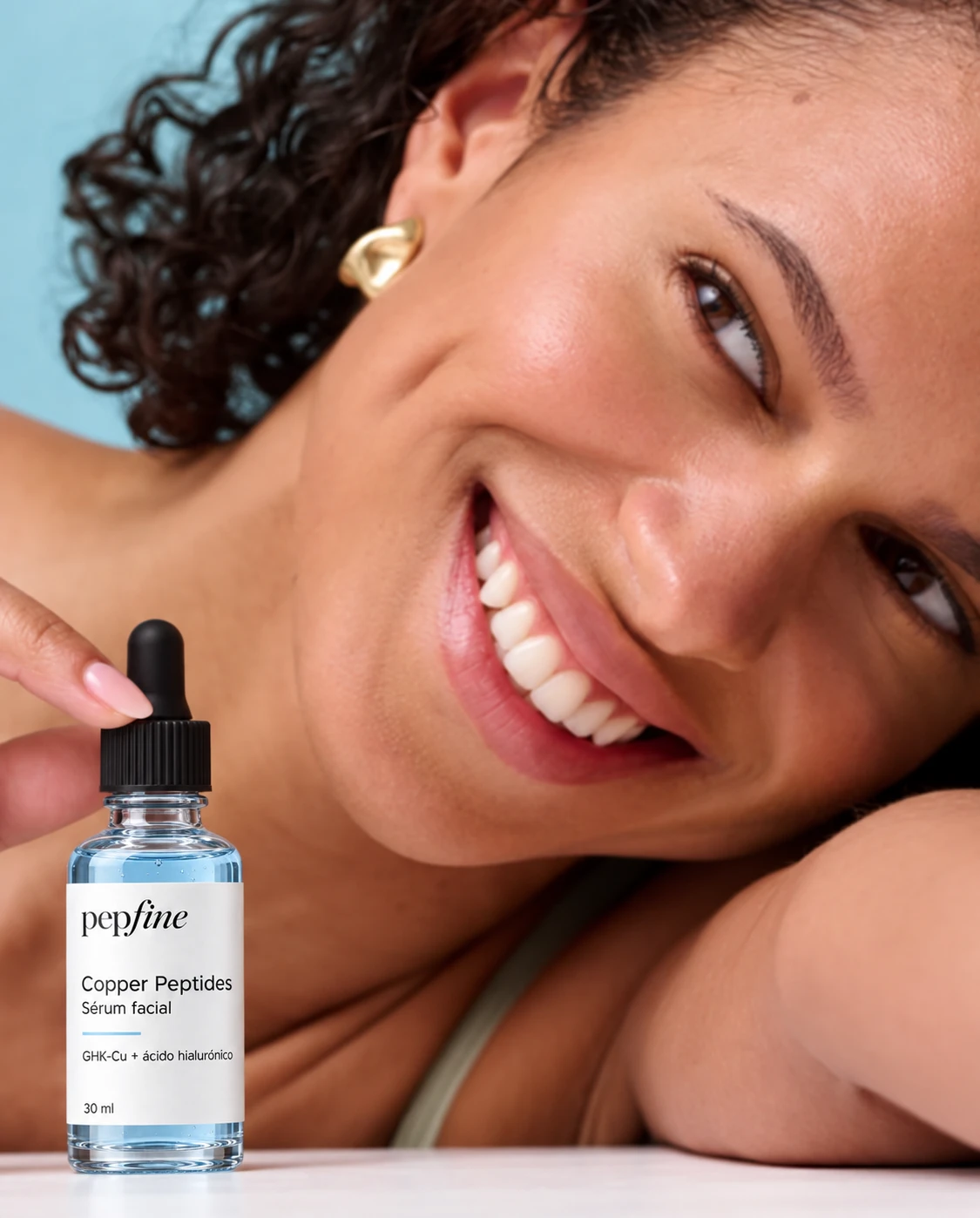
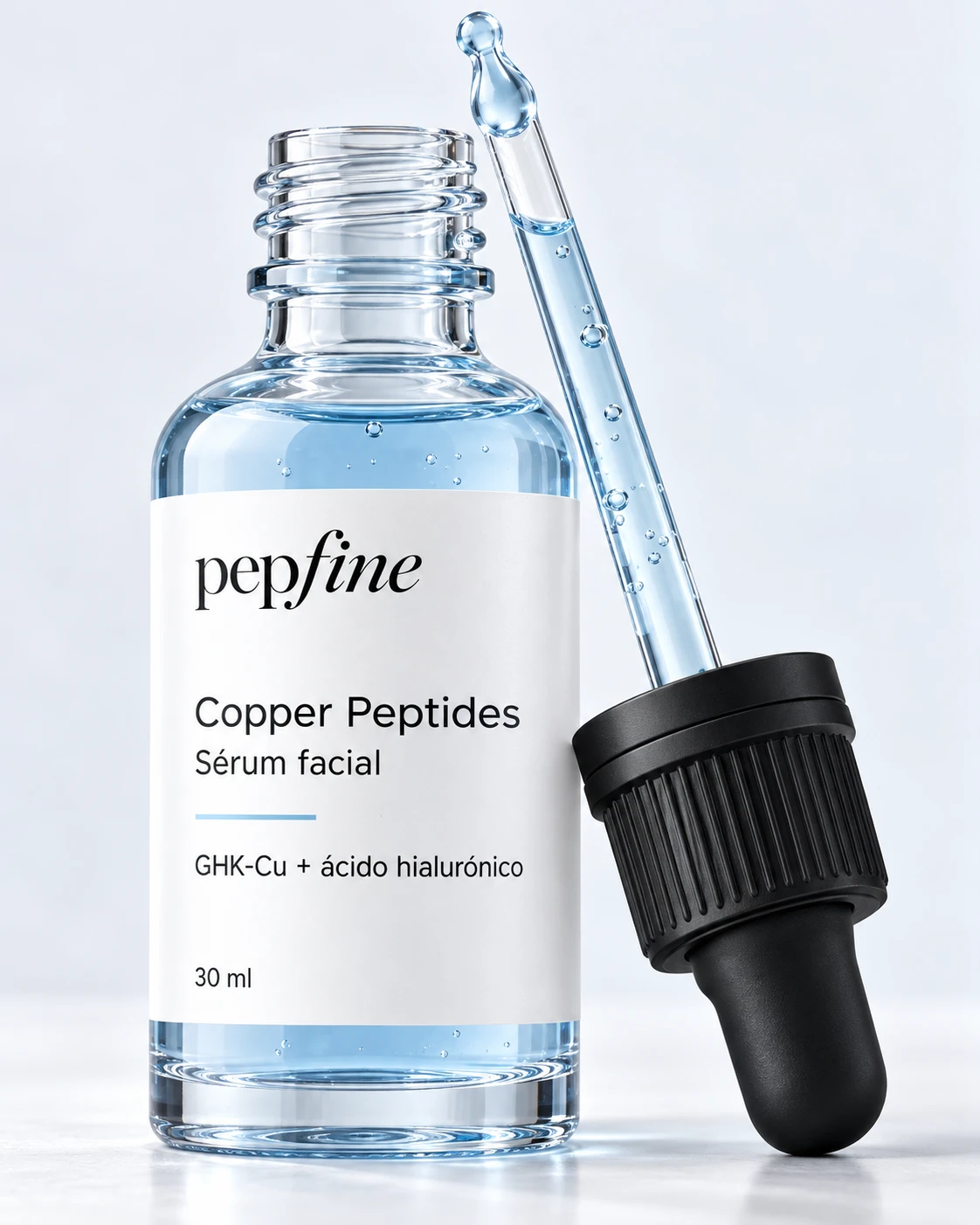
No. It has copper peptide (GHK-Cu) and hyaluronic acid, with no exfoliating acids. Apply 3 or 4 drops morning and night, before moisturizer, avoiding the eye area.

 ✦✦✧✦