


Key takeaways
- Care after laser hair removal starts with following the instructions of whoever did your session.
- It's normal for skin to look red and swollen, like a mild sunburn; a cool compress helps it feel better.
- The most important thing is protecting the area from the sun and skipping tanning beds.
- While skin feels sensitive, keep your routine gentle and ask before going back to exfoliants, retinol or fragranced products.
- If you get blisters, a lot of pain or color changes, contact whoever did your session.
Care after laser hair removal is simple: protect the area from the sun, keep skin calm with a gentle routine and don't scratch or rub. Most important is following the instructions of whoever did your session, because every skin, area and device is different.
Here's what's normal after a session, how to care for your skin in the first days, what to avoid, what to do between sessions and when to call whoever treated you.
What happens to your skin after laser hair removal
During the session, the laser targets the hair follicle with pulses many people describe as a warm pinprick or a rubber band snapping against the skin. Afterward, the area is usually red and swollen, similar to a mild sunburn.1
In general there's no real downtime: most people go back to their everyday activities the same day. Even so, skin stays more sensitive for a while, and it's worth handling it gently.1
That's why the American Academy of Dermatology stresses that the procedure should be done by someone highly experienced with lasers and skin. In inexperienced hands it can cause burns, permanent changes in skin color and scars.1
What's normal and what isn't
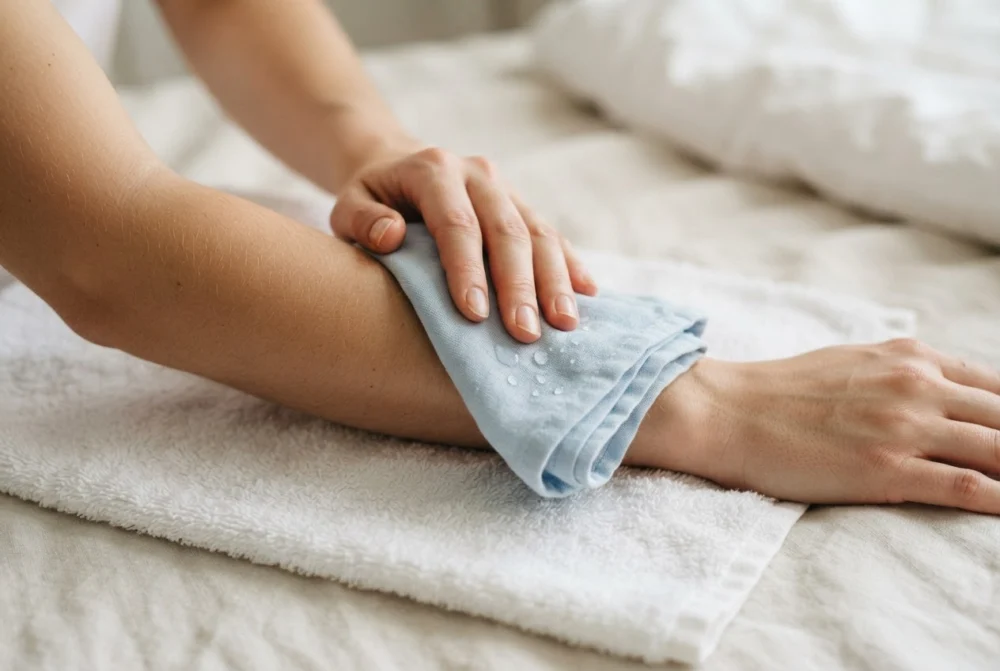
The most common effects are mild and usually last 1 to 3 days: discomfort, swelling and redness. A cool compress helps skin feel better.1
- Normal: redness similar to a mild sunburn.
- Normal: some swelling and tenderness when you touch the area.
- Uncommon: blisters, cold sore outbreaks, infections, scarring or skin turning lighter or darker.
Those less common effects are rare when the procedure is done or supervised by a dermatologist. If you notice any of them, let whoever treated you know.1
Care after laser hair removal: the first days
While skin is red or sensitive, your routine gets shorter and gentler. These steps are a general guide; if you were given other instructions, those come first.
- Apply a cool compress, wrapped in a clean cloth, if you feel heat or discomfort.
- Wash the area with lukewarm water and a gentle cleanser, without rubbing.
- Pat dry with a clean towel.
- Use the moisturizer or lotion you were recommended, preferably fragrance-free.
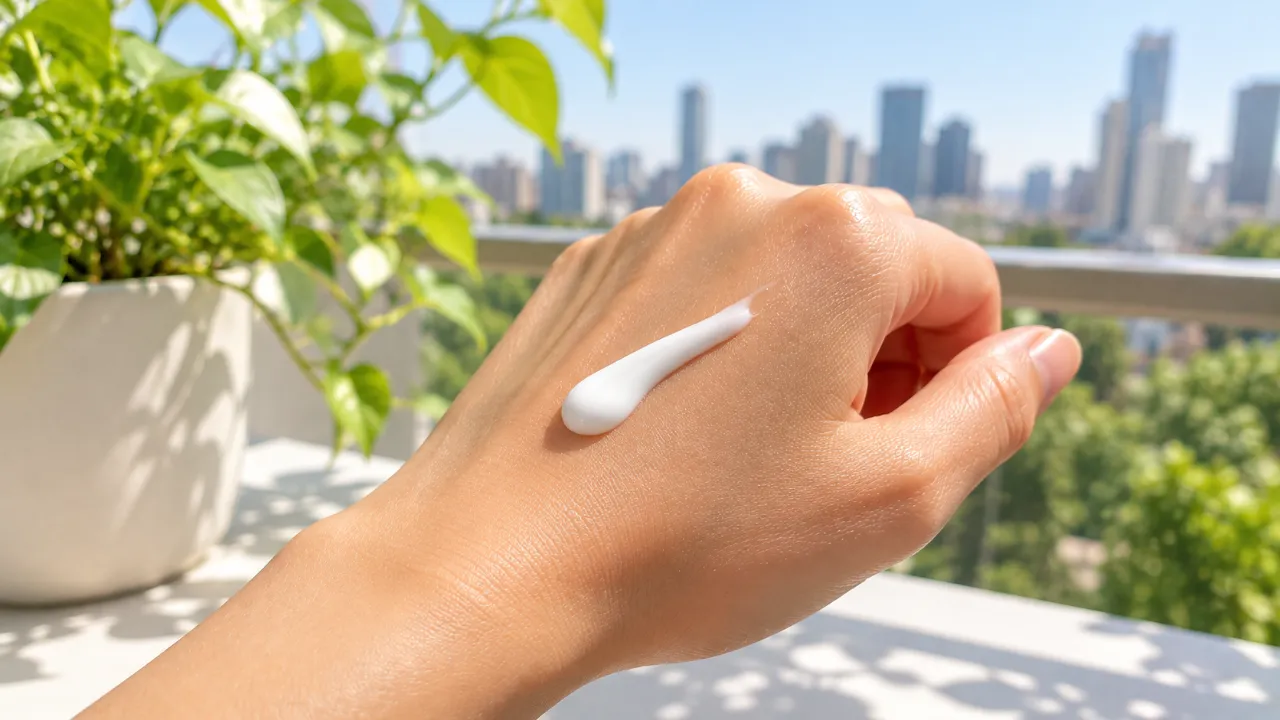
- Protect the area from the sun: shade, clothing that covers it and, when you're told to, sunscreen.
If your session was on your face, keep your routine to the basics: gentle cleanser, moisturizer and sunscreen. If it was on your underarms, legs or bikini area, choose loose cotton clothing so nothing rubs your skin.
And if several areas were done in the same appointment, care for all of them the same way: body skin also gets irritated by friction, heat and sun.
The sun: the most important rule

To avoid unwanted effects, everyone needs to protect their skin from the sun after laser hair removal. The advice is to keep direct sunlight off the treated skin and not use tanning beds, sun lamps or any other indoor tanning equipment.1
Sun protection matters before every session too: don't tan outdoors or indoors, don't use sunless tanners, and apply a broad-spectrum, water-resistant SPF 30 or higher sunscreen every day before going outside.2
In Mexico the sun is strong almost all year, so this step isn't optional: even when it's cloudy, the treated area needs protection.
What to avoid and what to ask before going back to your routine
- Scratching, rubbing or exfoliating the area while it's sensitive.
- Direct sun and tanning beds.
- Fragranced or alcohol-based products on treated skin.
- Going back to retinol, exfoliating acids or pure vitamin C without asking first.
Before you leave your appointment, clear up these questions:
- When you can go back to your usual products and which ones to pause.
- Whether to avoid heat, intense exercise, saunas or pools in the following days.
- How to shave the area between sessions and which methods to avoid.
- Which signs are normal and which are a reason to call.
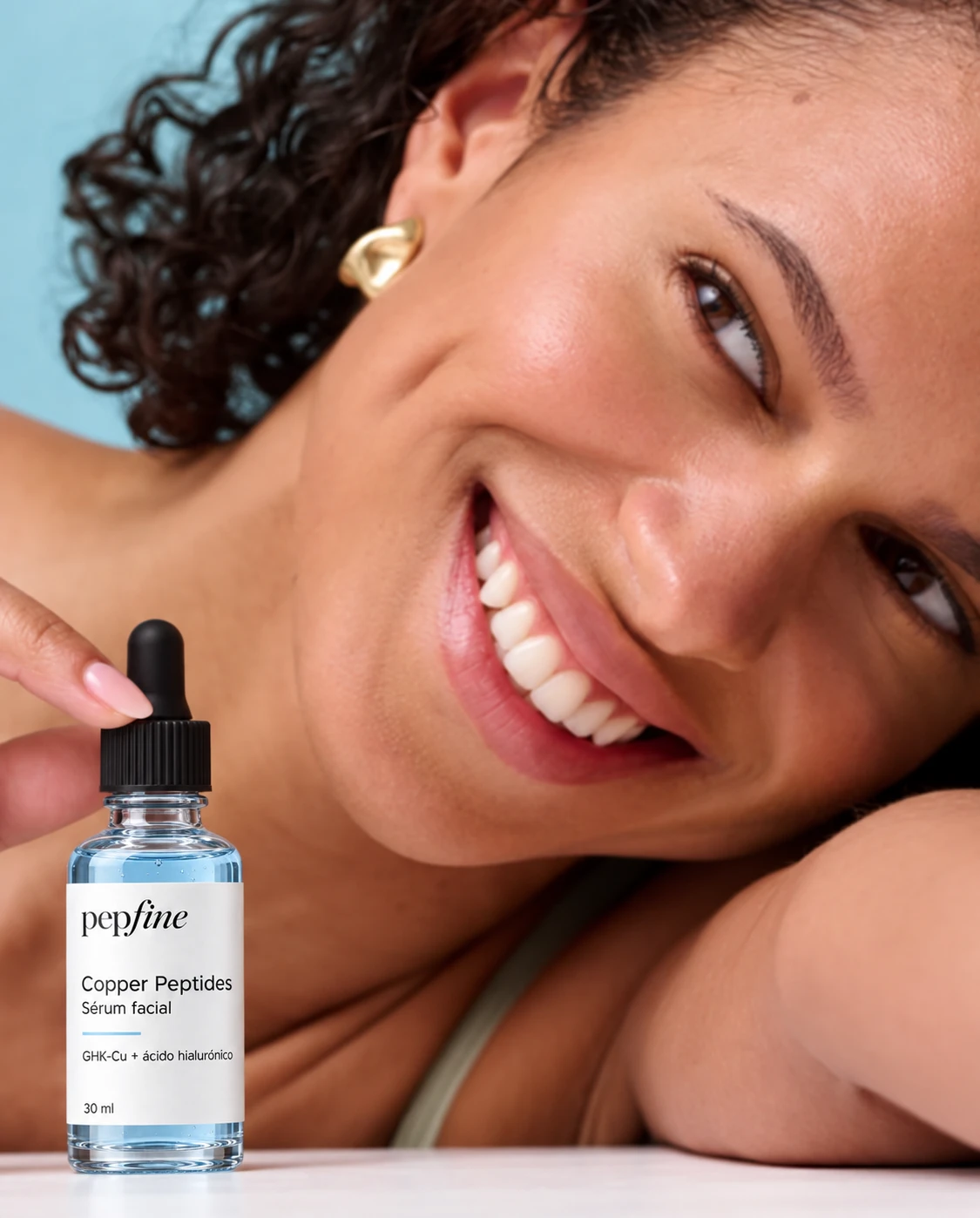
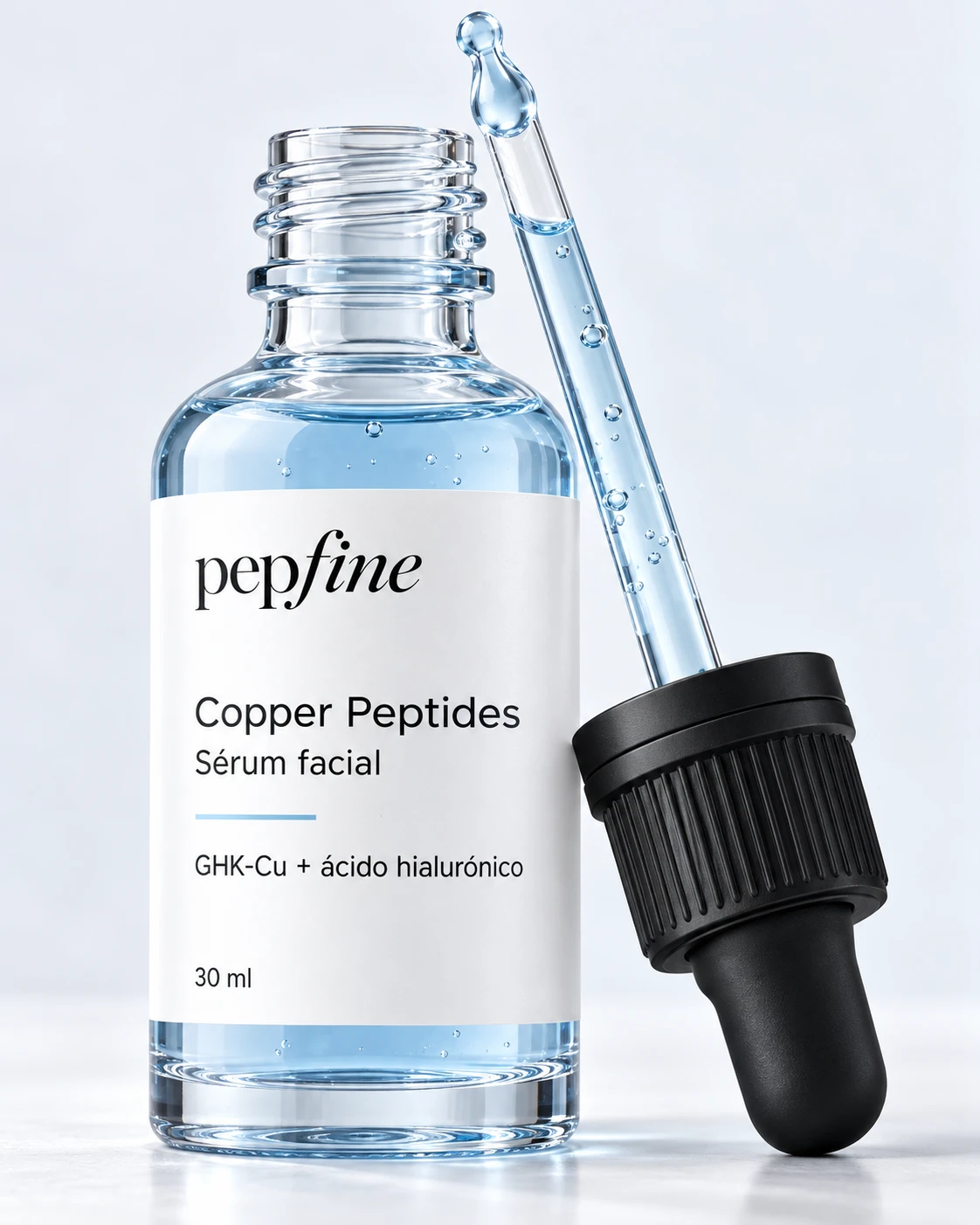
Once your skin feels comfortable and you get the go-ahead, you can ease back into your routine, one product at a time. A serum without exfoliating acids, like the Pepfine Serum with copper peptide (GHK-Cu) and hyaluronic acid, can come back at that point: 3 or 4 drops on clean skin, before moisturizer.
Between sessions
Laser hair removal usually takes several sessions. Many people can have it every 4 to 6 weeks, but whoever treats you will tell you when it's safe to have the next one.1
Results vary from person to person. Hair color and thickness, the area, the type of laser and skin color all play a part, so don't compare your process with someone else's.1
Before each session, tell whoever treats you if you've tanned recently, if you tend to scar or form keloids, if you get herpes outbreaks or if you take any medicine, including over-the-counter ones.2
If you have brown skin, like many people in Mexico, ask how many sessions that person has done on skin tones like yours. Today it can be done on more skin types than before, but darker skin needs extra care.12
When to call whoever did your session
Call if your skin burns, itches a lot, swells more than you were told to expect, blisters or crusts, changes color or the discomfort doesn't improve as the days go by. Following the before and after instructions greatly reduces the risk of unwanted effects.1
Frequently asked questions
What should I put on after laser hair removal?
Whatever the person who did your session tells you. In general, a cool compress if you feel discomfort, a gentle cleanser and a fragrance-free moisturizer, and protection from the sun.1
Is it normal for skin to be red after laser?
Yes. It's common for it to be red and swollen, like a mild sunburn, and for that discomfort to last 1 to 3 days.1
Can I go in the sun after laser hair removal?
The advice is to keep direct sunlight off treated skin and skip tanning beds. Wear covering clothes, seek shade and apply sunscreen when you're told to.1
When can I go back to retinol or exfoliants?
Once your skin is no longer sensitive and whoever did your session gives you the green light. Start with a few nights a week and go back to basics if you notice burning.
How many laser hair removal sessions are needed?
It depends on each person and the area. Most people need several sessions, and whoever treats you will tell you how often to have them and whether maintenance sessions are needed later.1
Can I use the Pepfine Serum after laser hair removal?
Once your skin feels comfortable and you get the go-ahead, yes. It has copper peptide (GHK-Cu) and hyaluronic acid, with no exfoliating acids; if it's your first time with it, try it on a small area first.




 ✦✦✧✦