


Key takeaways
- The most important part of care after a chemical peel is following the instructions of whoever did it: every peel and every skin is different.
- It's normal for skin to look red and then flake; don't pick the flakes or scratch.
- While it heals: a gentle cleanser, the moisturizer you were told to use, and no exfoliants, retinol or pure vitamin C.
- Protect your skin from the sun and, once it has healed, use sunscreen every day.
- If skin burns, itches or swells, contact whoever did your peel.
Care after a chemical peel is simple but matters a lot: cleanse gently, keep skin hydrated, don't scratch or pick at flakes and protect it from the sun. Above all, follow the instructions of whoever did your peel, because every procedure and every skin is different.
Here's what's normal in the first days, a basic routine while your skin heals, what to avoid, when to go back to your actives and when to call your dermatologist.
What a chemical peel is and what happens to your skin
A chemical peel is a cosmetic procedure in which a solution is applied to the skin to improve the look of fine lines, uneven tone, rough texture or dull skin. It can be done on the face and also on the hands, neck or chest.2
The solution causes layers of skin to shed, deeper or shallower depending on the peel. That's why skin stays sensitive for a while afterward and needs care at home. Every peel a dermatologist performs requires some at-home aftercare.1
Results depend a lot on the experience of the person doing it. If you have brown skin, like many people in Mexico, look for a dermatologist with experience doing peels on darker skin tones: without that expertise, permanent color changes can happen.1
Types of peels: why recovery varies
Not all peels are the same. The American Academy of Dermatology groups them by depth, and recovery varies a lot from one to another:1
Light or refreshing peel
Skin turns red and, once the redness fades, it may flake for a few days. At home you use a lotion or cream until skin heals, then sunscreen every day. Sometimes makeup can go on that same day or the next.1
Medium peel
Skin turns red and swollen, may crust and peels over the following weeks. At-home care is stricter, sun is avoided completely until it heals and a follow-up visit is needed.1
Deep peel
It's done in a surgical setting, requires several weeks of recovery at home and frequent check-ups. Here, all care is directed by the dermatologist, step by step.1
What follows in this article is general care, meant mostly for light peels. If you had a medium or deep peel, your dermatologist's instructions come first.
What's normal in the first days
- Redness, similar to a mild sunburn.
- A tight feeling or skin that's sensitive to the touch.
- Flaking or peeling once the redness fades.
- With deeper peels, swelling and crusting.
What isn't normal is skin that burns, itches a lot or swells more than you were told to expect. If that happens, contact whoever did your peel.1
Care after a chemical peel: step-by-step routine
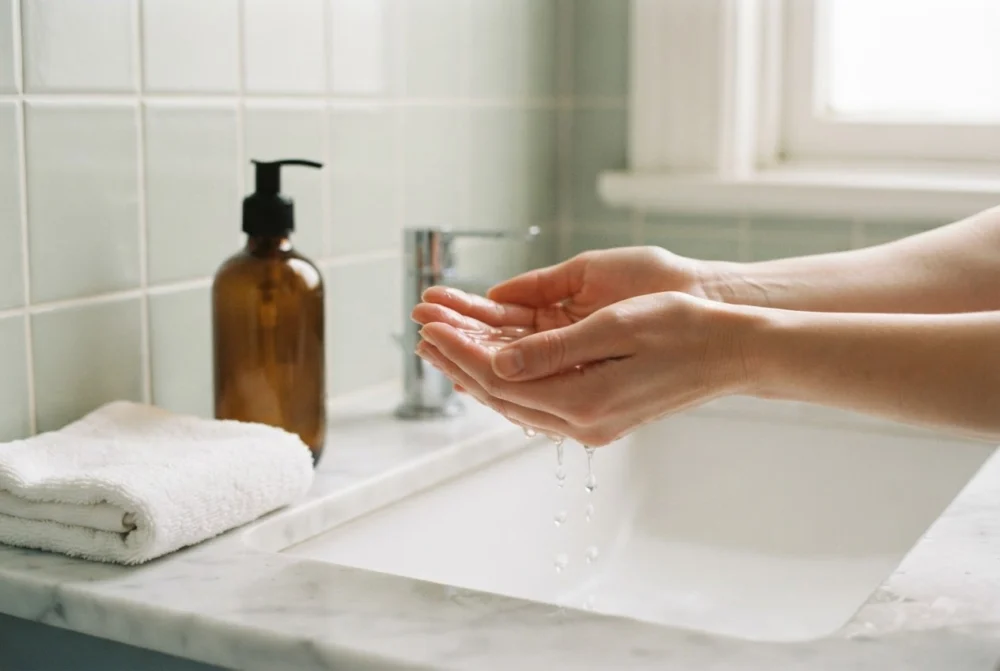
While your skin heals, your routine gets shorter, not longer. The idea is to cleanse without irritating, keep skin moist and protect it.
In the morning
- Rinse with lukewarm water or use the gentle cleanser you were told to use, with your fingertips and without rubbing.
- Pat dry with a clean towel.
- Apply the moisturizer or lotion you were recommended, generously.
- Avoid the sun. Once your skin has healed, use sunscreen every day.
At night
- Cleanse gently, just like in the morning.
- Apply your moisturizer again. If skin feels dry during the day, you can add more.
Keeping skin hydrated is key: if it dries out and cracks, it can scar. Use the moisturizer as directed.1
What to avoid while your skin heals

- Scratching, rubbing your skin or picking at flakes and scabs.
- Direct sun and tanning beds.
- Wearing makeup before your skin heals, unless you're told you can.
- Exfoliants, sponges, facial brushes and acids.
- Retinol, pure vitamin C and products with fragrance or alcohol.
- Very hot water, steam and saunas.
The risk of infection or scarring goes up a lot if you don't protect your skin from the sun, scratch it or pick off scabs, wear makeup before it heals or use tanning beds.1
Before leaving the clinic, it's worth clearing up these questions and writing down the answers:
- Which cleanser and moisturizer to use, and how many times a day.
- When you can wear makeup and when you can exercise again.
- Which signs are normal and which are a reason to call.
- When your follow-up visit is, if you need one.
- When you can go back to your usual products.
When to go back to your actives
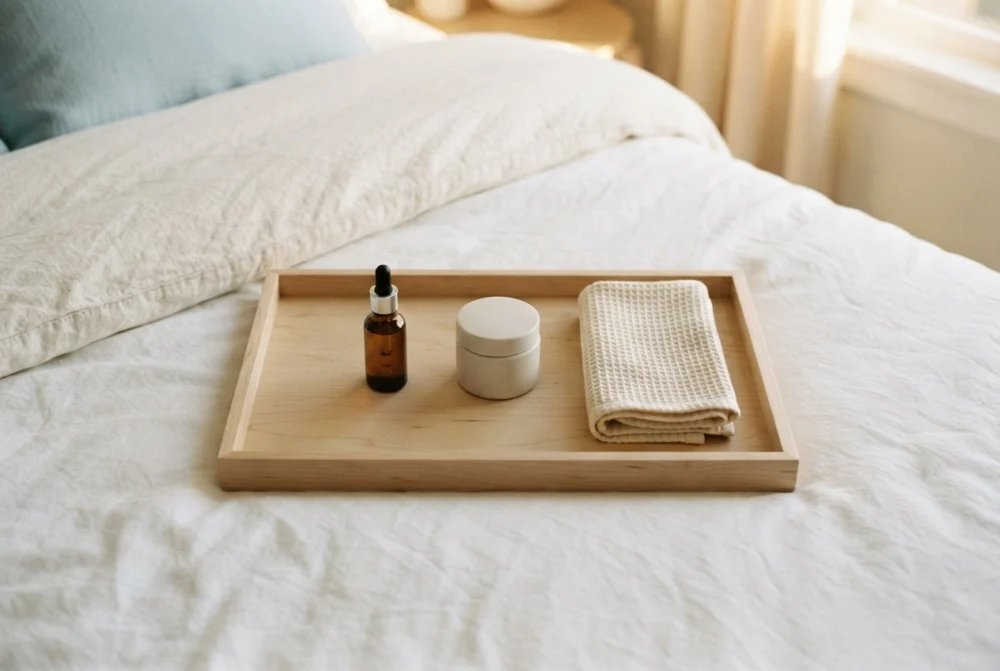
There's no single date: it depends on the peel and how your skin heals. That's why the rule is to get the green light from whoever did it before going back to retinol, acids or pure vitamin C.
- Start with the gentlest: cleanser, moisturizer and sunscreen.
- Add one product at a time and watch how your skin responds.
- Leave retinol and acids for last, and use them only a few nights a week at first.
- If something burns or stings, drop it and go back to basics.
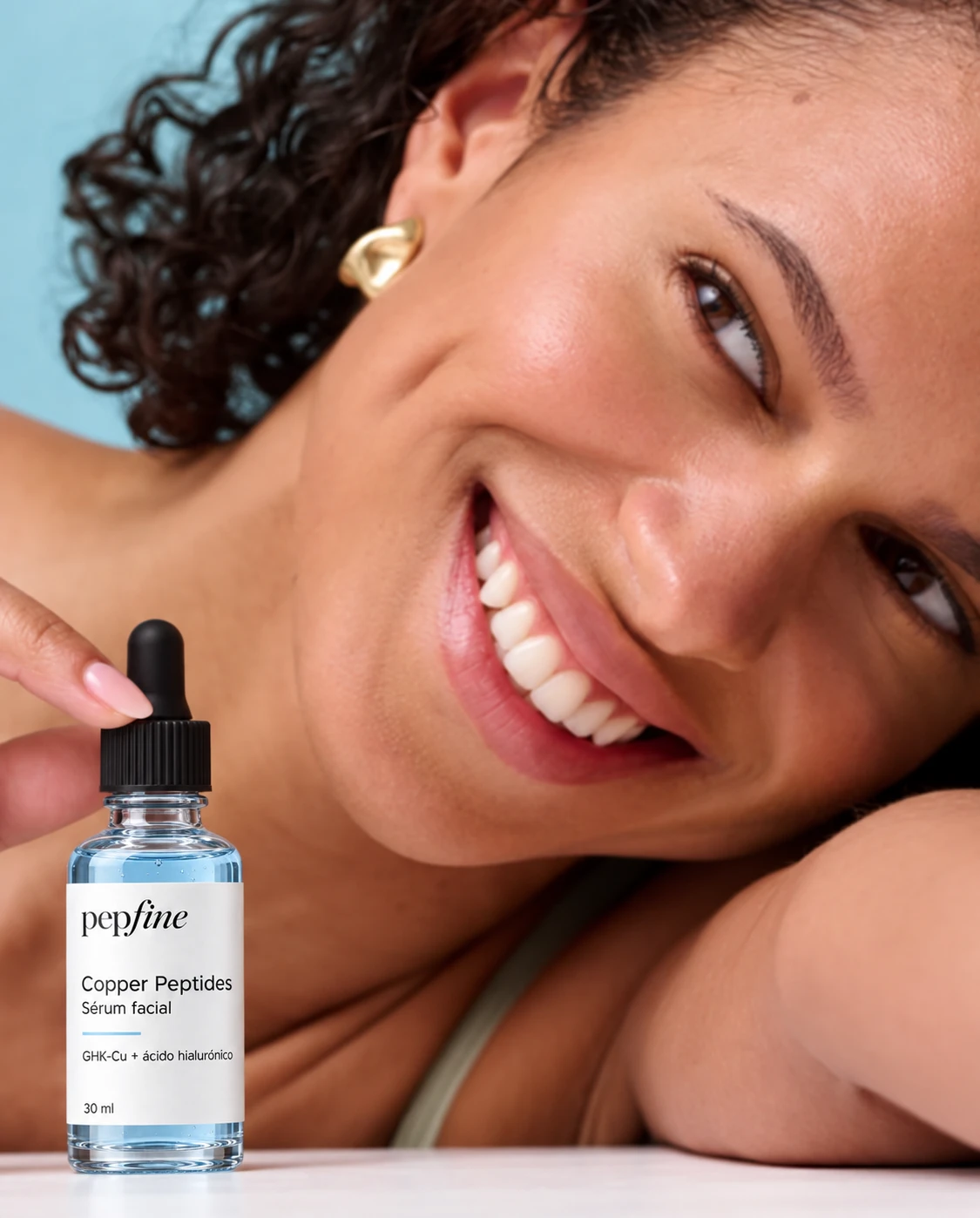
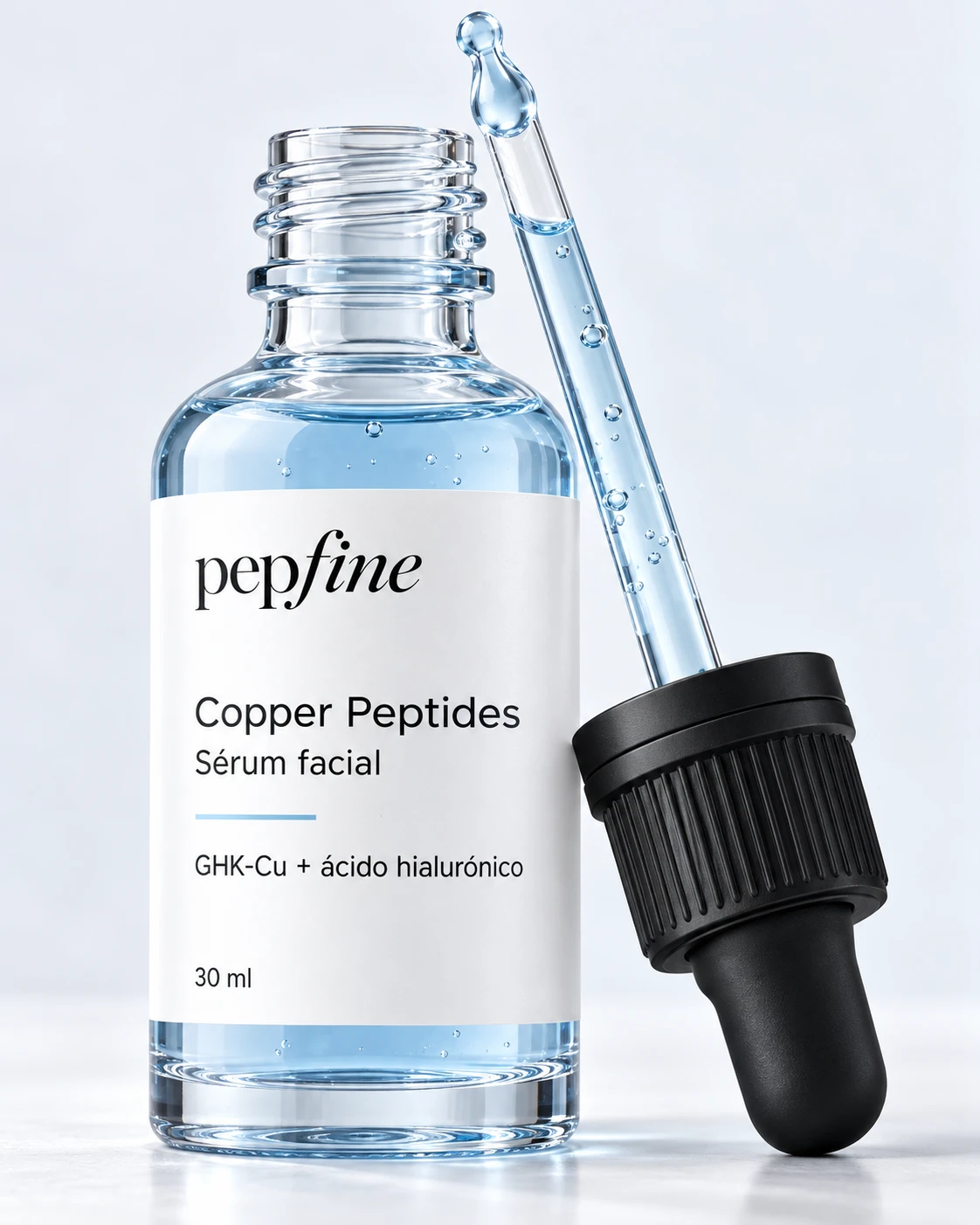
A serum without exfoliating acids, like the Pepfine Serum with copper peptide (GHK-Cu) and hyaluronic acid, can come back into your routine once you get the go-ahead: 3 or 4 drops on clean skin, before moisturizer. If it's your first time with it, patch test on a small area first.
And in the long run, daily sunscreen is still your best ally: it helps you keep the results, because skin keeps aging and the sun keeps leaving its mark.1
At-home peels: why to skip them without supervision
In 2024, the FDA warned against buying or using certain chemical peel products without professional supervision. Many are sold in beauty stores and online with acids like trichloroacetic, glycolic, salicylic or lactic in concentrations too high to use safely at home.3
These products can cause chemical burns, pain, swelling, infection, color changes and scars. Concentration, number of applications and how long it stays on the skin all affect how deep it goes. If you want a peel, have it done by a dermatologist.3
Frequently asked questions
What should I put on my face after a chemical peel?
Whatever the person who did your peel tells you. In general, a gentle cleanser, a moisturizer or lotion until skin heals and, after that, sunscreen every day.1
Is it normal for skin to peel after a chemical peel?
Yes. After a light peel, it's common for skin to flake for a few days once the redness fades. Don't pick at the flakes: let them come off on their own.1
When can I wear makeup after a chemical peel?
It depends on the type of peel. After a light peel you can sometimes wear it the same day or the next; after a medium or deep peel you need to wait longer. Ask whoever did it.1
When can I go back to retinol or acids?
Once your skin has healed and whoever did your peel gives you the green light. Start with a few nights a week and go back to basics if you notice burning.
Can I use the Pepfine Serum after a chemical peel?
Once your skin has healed and you get the go-ahead, yes. It has copper peptide (GHK-Cu) and hyaluronic acid, with no exfoliating acids; use 3 or 4 drops on clean skin, before moisturizer.



 ✦✦✧✦