


Key takeaways
- After microneedling, skin has many tiny punctures: the first thing is to follow the instructions of whoever did your procedure to the letter.
- It's common to notice redness, dryness, tightness, itching or a little peeling in the first days.
- A simple routine helps: gentle cleansing, hydration without strong actives and sun protection.
- Leave retinol, acids, exfoliants and active serums for when your professional says you can use them again.
- If you notice increasing pain, pus, fever or blisters, get medical care.
Skin care after microneedling should be simple and gentle: delicate cleansing, hydration without strong actives and plenty of sun protection while skin recovers. And, above any general advice, follow the instructions of whoever did your procedure: they know your skin, the device they used and how deep they worked.
Here's what's normal in the first days, how to build a calm routine, what to avoid and when to go back to your usual products.
What happens to your skin with microneedling
Microneedling devices have many small needles, tips or pins that go in and out of the skin over and over. They can be a roller, a stamp or a motorized pen. As they move over the skin, they leave many tiny punctures.1
In the U.S., the FDA has authorized some of these devices to improve the appearance of facial breakout scars, facial wrinkles and abdominal scars in people 22 and older. Since skin is left open for a while, aftercare matters a lot.1
Before the procedure: when it may not be for you
If you haven't had it yet, share your full history with your professional. According to the FDA, microneedling may not be suitable if you:1
- Take blood thinners or have clotting problems.
- Have an active skin infection, a rash on your face or a cold sore outbreak.
- Use isotretinoin or have used it in the past six months.
- Tend to form keloid scars.
- Are pregnant or breastfeeding.
- Are tanned or will be in the sun in the following two weeks.
In darker skin tones there's a higher risk of the skin darkening or losing color afterward, and some devices weren't studied in those skin types. Ask your professional about their experience with skin like yours, and whether they use a new needle cartridge for each person and each session.1
What's normal in the first days
After the procedure it's common to notice some discomfort that usually goes away on its own:1
- Redness and a warm or burning feeling.
- Dryness, tightness and rough skin.
- Itching and some peeling.
- Small bruises, pinpoint bleeding or tiny crusts.
Most of these effects show up shortly after the procedure and resolve. What's best to avoid is scratching, picking at crusts or pulling off peeling skin: let it come off on its own.1
Skin care after microneedling, step by step
This is a general guide. If your professional gave you other instructions or specific products, those come first.
In the morning
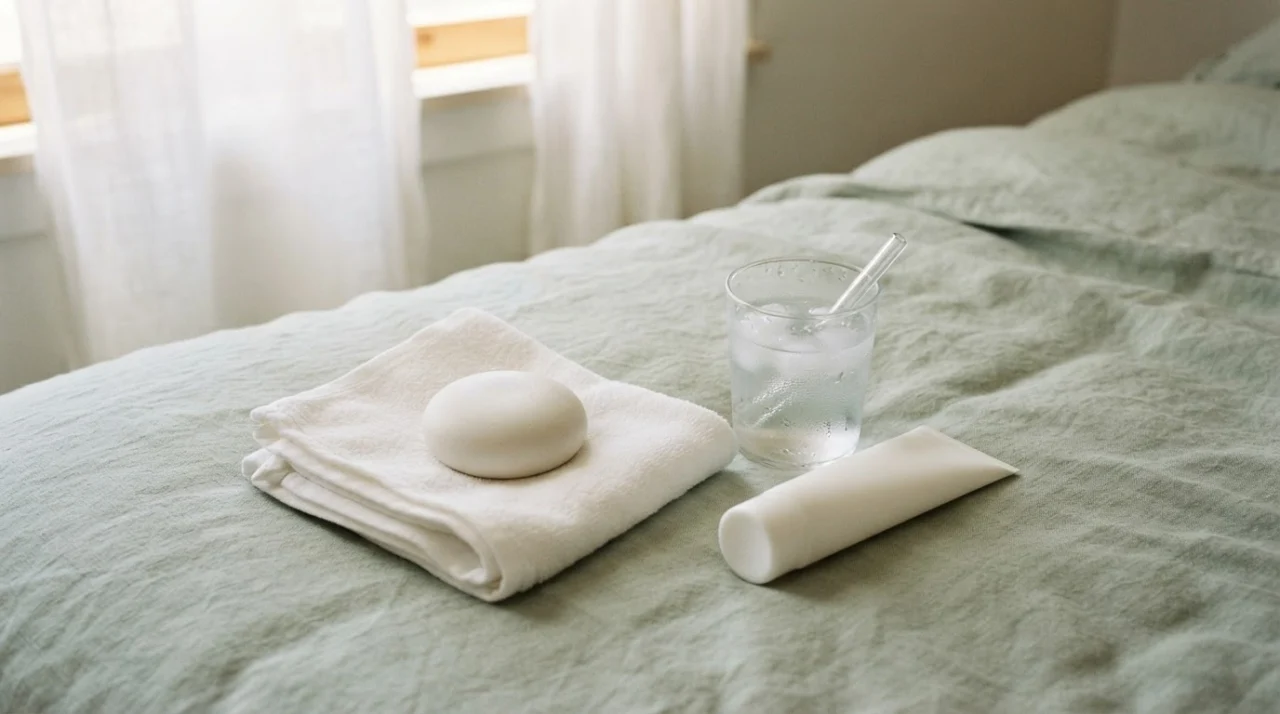
- Wash your face with lukewarm water and a gentle, fragrance-free cleanser, using your fingertips. No sponges or brushes.
- Pat it dry with a clean towel.
- Apply the moisturizer or product your professional recommended, in a light layer.
- Protect your skin from the sun: stay in the shade and use the sunscreen you were recommended once they say you can put it on.
At night
- Cleanse with the same gentle cleanser, without scrubbing.
- Pat it dry.
- Apply your simple moisturizer. If your skin feels very tight, you can add a little more.
Use a clean towel and pillowcase, and wash your hands before touching your face. Skin with tiny punctures is more delicate, and cleanliness helps protect it. And sleep on your back the first nights if it's comfortable, so your skin doesn't rub against the pillow.
The sun, the most important part

Among the less common effects of microneedling are pigment changes: areas that darken or lose color. That's why the sun matters so much after the procedure. The FDA notes it may not be suitable for anyone who is tanned or plans to be in the sun in the two weeks that follow.1
- Avoid direct sun and seek shade.
- Wear a wide-brimmed hat if you go out.
- Once your professional gives the okay, use broad-spectrum SPF 30 or higher sunscreen and reapply every 2 hours outdoors.
Your face needs at least a teaspoon of sunscreen, applied about 15 minutes before going out.2
What to avoid while your skin recovers
- Retinol, retinoids, exfoliating acids and pure vitamin C.
- Physical scrubs, sponges, brushes and rough wipes.
- Products with alcohol or strong fragrance.
- Makeup, until your professional says you can use it.
- Heavy sweating, pools, saunas and steam in the first days, if you were told so.
- Putting products you weren't recommended on your skin to help them sink in.
On that last point: microneedling devices aren't approved for delivering cosmetics, creams, vitamin serums or other products into the skin. Some people notice stinging or itching when applying cosmetic products after the procedure, so less is more.1
When to go back to your usual routine
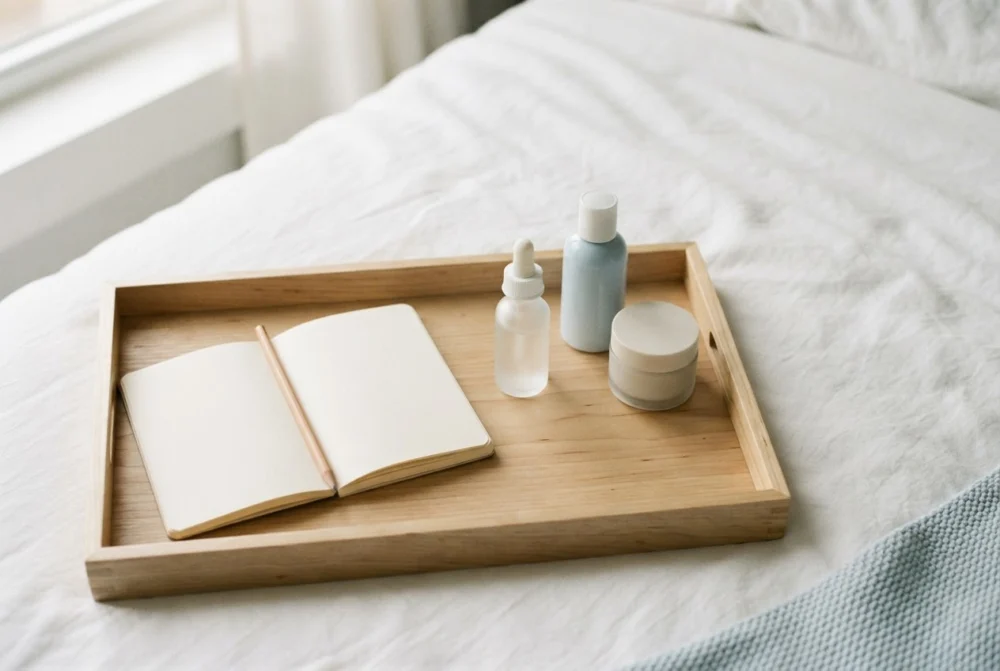
There's no single date for everyone: it depends on how deep the procedure was and how your skin recovers. Ask your professional when you can go back to each product, and return to them one at a time. Going back gradually lets you see how your skin responds to each product and, if something doesn't agree with it, you'll know which one it was.
- Start with your usual cleanser, moisturizer and sunscreen.
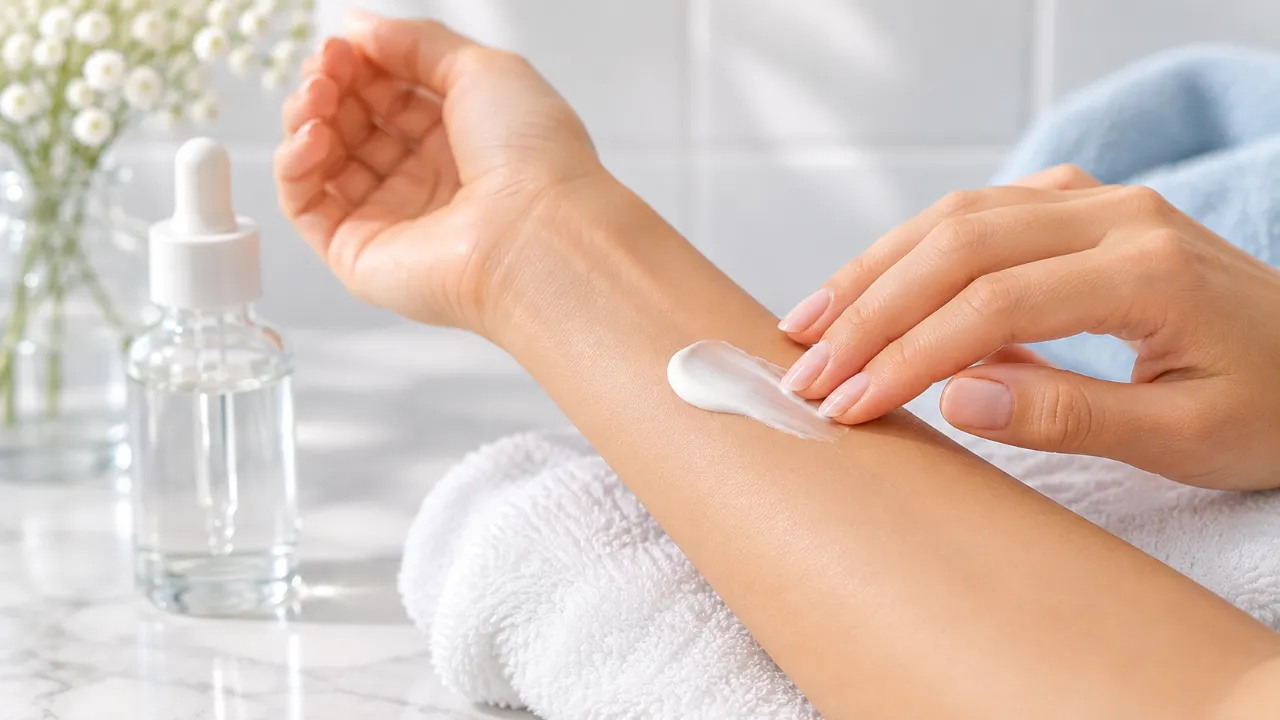
- Then add a gentle serum, patch testing first.
- Last, strong actives like retinol or acids, once you get the okay.
If a product stings, itches or leaves new redness, stop using it right away and mention it to your professional.
When to get help
Get medical care if you notice signs of infection or a reaction that isn't improving: pain that increases instead of easing, swelling, warmth, pus, fever, blisters, swollen lymph nodes or cold sores flaring up. Your professional should have a plan to care for you if something like that happens.1
And if you're thinking about microneedling at home with a roller, check with a professional first: equipment and hygiene matter, and reusing needles isn't safe.1
Frequently asked questions
What should I put on my face after microneedling?
Whatever your professional recommends. In general, a gentle cleanser, a simple moisturizer without strong actives and, once you get the okay, sunscreen.
Is it normal for my face to be red after microneedling?
Yes, redness, dryness and tightness are common at first and usually go away on their own. If pain or swelling increases, or you see pus, get medical care.1
When can I wear makeup?
Ask whoever did your procedure. It depends on your skin and how deep it was, so there's no single answer for everyone.
Can I exercise after microneedling?
Ask your professional when you can go back to it. Many people prefer to wait a few days before sweating heavily, since sweat and heat can irritate freshly treated skin. When you go back, wash your face gently afterward.
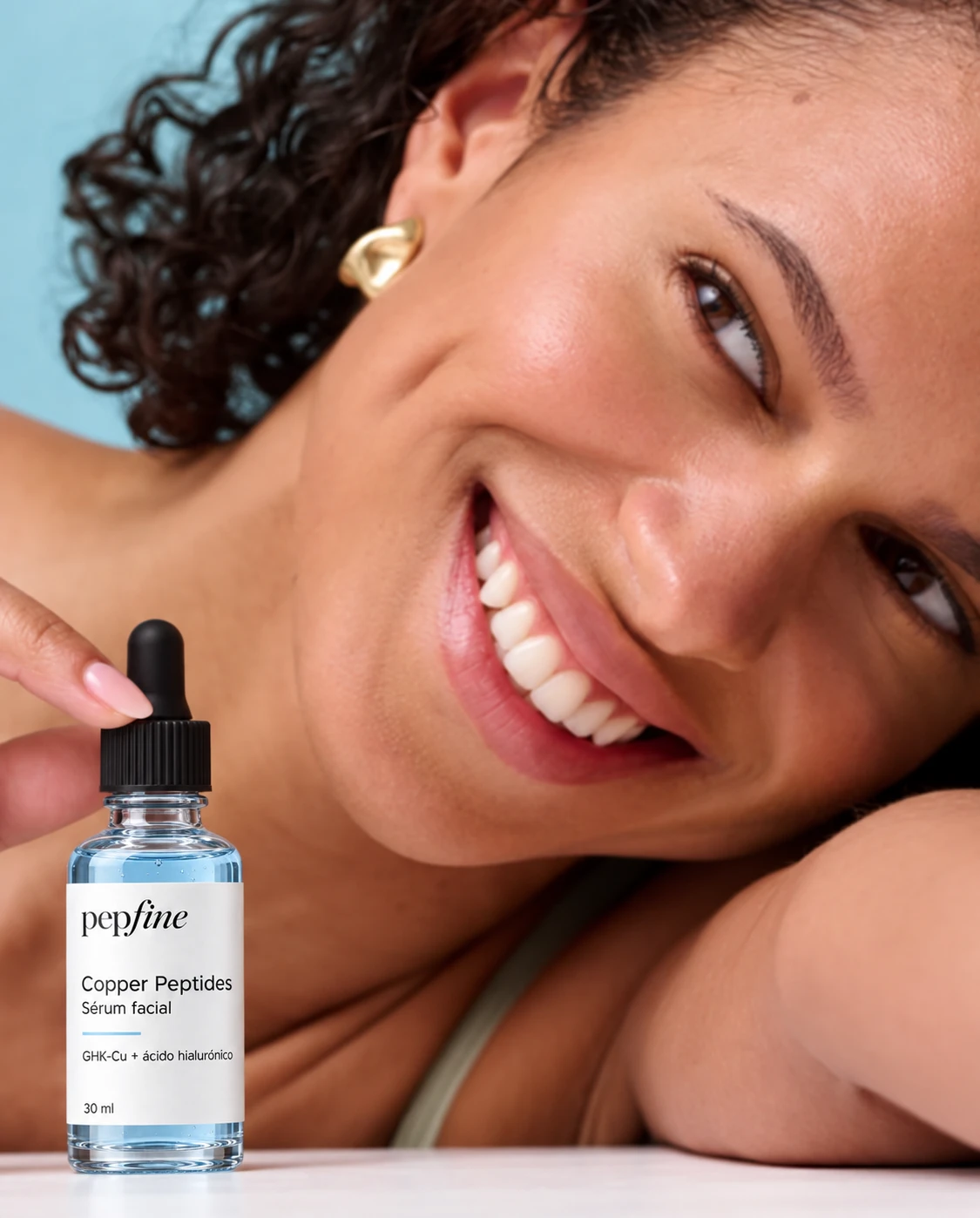
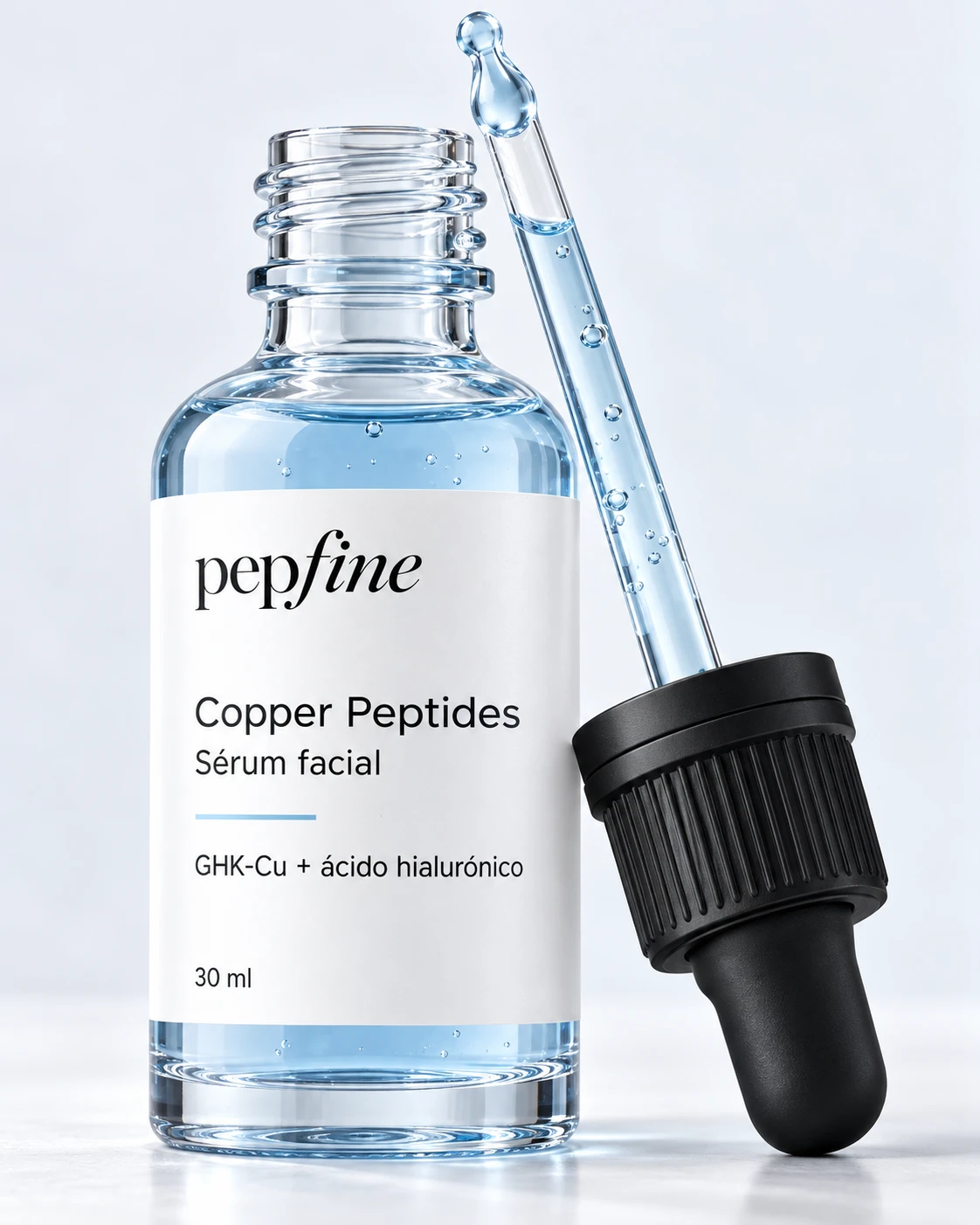
Can I use the Pepfine Serum after microneedling?
Use it only once your professional says you can go back to your products, and patch test first. Don't put it on freshly treated skin to help it sink in.



 ✦✦✧✦